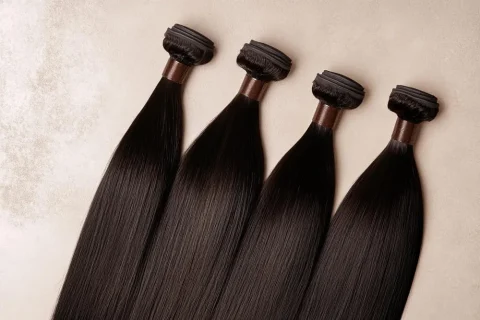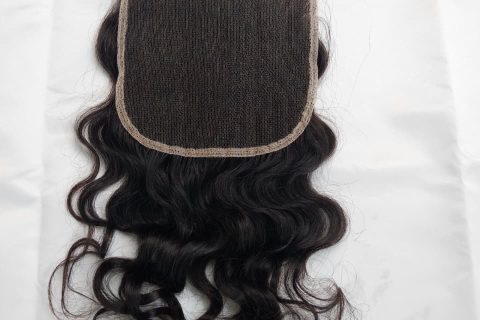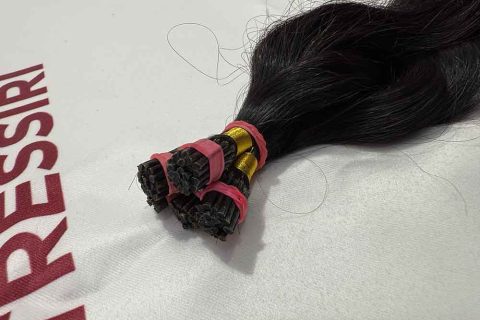
If you’ve been researching premium hair extensions, you’ve probably come across the debate about Raw Indian Hair vs Virgin Hair. While both are popular choices in the hair industry, many buyers are confused about what actually separates them.
Some sellers use these terms interchangeably, while others market them as completely different products. Understanding the difference can help you make a smarter investment and choose hair that meets your styling goals, budget, and longevity expectations.
In this guide, we’ll break down the key differences between Raw Indian Hair vs Virgin Hair, including sourcing, processing, durability, appearance, and overall value.
What Is Raw Indian Hair?
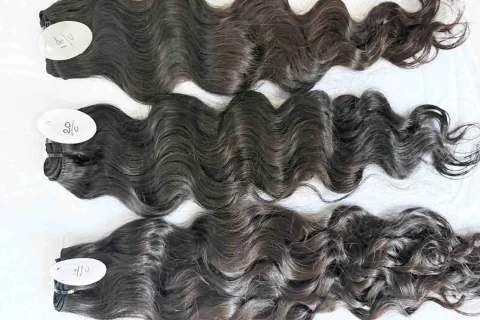
Raw Indian Hair is human hair collected directly from donors, typically through temple donations in India. The hair is gathered, cleaned, and sorted while maintaining its natural cuticle alignment.
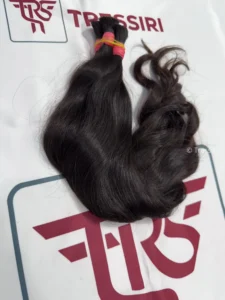
The defining feature of Raw Indian Hair is that it undergoes little to no chemical processing. It is not chemically altered to create a specific texture, color, or pattern.
Each bundle is unique because it comes from real donors. This means slight variations in texture, wave pattern, and color are completely normal and are actually signs of authenticity.
Characteristics of Raw Indian Hair
- 100% human donor hair
- Natural cuticles remain intact
- Minimal processing
- Naturally thick and durable
- Can last several years with proper care
- Accepts coloring and heat styling well
- Unique texture in every bundle
Because of its authenticity and longevity, Raw Indian Hair is often considered the highest-quality hair available on the market.
What Is Virgin Hair?
Virgin Hair refers to human hair that has not been chemically processed by the donor before collection. However, after collection, the hair may undergo certain manufacturing processes to achieve a consistent appearance.
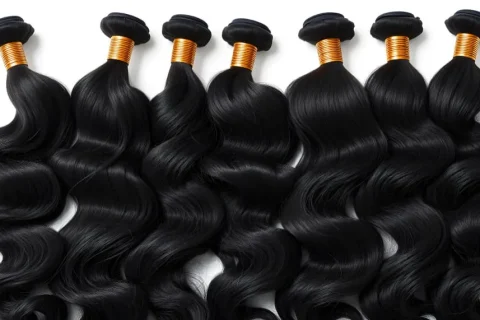
Many virgin hair products are steam processed to create specific curl patterns such as body wave, deep wave, or loose wave. The hair remains chemically untreated but may be altered through controlled processing methods.
As a result, virgin hair typically offers a more uniform look compared to raw hair.
Characteristics of Virgin Hair
- Human hair with intact cuticles
- No chemical treatments before collection
- Often steam processed for texture consistency
- Uniform appearance and curl pattern
- More affordable than raw hair
- Good lifespan with proper maintenance
- Available in many textures and styles
Virgin hair is an excellent choice for buyers seeking beautiful hair extensions at a more accessible price point.
Raw Indian Hair vs Virgin Hair: Major Differences
Understanding the differences between Raw Indian Hair vs Virgin Hair can help determine which option best suits your needs.
1. Source and Authenticity
Raw Indian Hair comes directly from donors and retains its completely natural characteristics.
Virgin Hair may originate from multiple donors and is often processed to achieve consistent textures.
Winner: Raw Indian Hair
2. Texture Consistency
Raw hair bundles naturally vary because every donor’s hair is different.
Virgin hair generally has a more predictable and uniform texture.
Winner: Virgin Hair
3. Longevity
One of the biggest advantages of Raw Indian Hair is its durability.
High-quality raw hair can last two to five years or even longer with proper care.
Virgin hair typically lasts between one and three years depending on quality and maintenance.
Winner: Raw Indian Hair
4. Styling Flexibility
Because Raw Indian Hair is minimally processed, it responds exceptionally well to coloring, bleaching, straightening, and curling.
Virgin hair can also be styled, but excessive chemical processing may shorten its lifespan.
Winner: Raw Indian Hair
5. Price
Raw hair is usually more expensive due to limited supply, higher quality standards, and extensive sorting processes.
Virgin hair offers a more budget-friendly alternative while still providing beautiful results.
Winner: Virgin Hair
Which Hair Type Looks More Natural?
When comparing Raw Indian Hair vs Virgin Hair, both can create a natural appearance when installed correctly.
However, Raw Indian Hair often delivers a more authentic look because the strands maintain their original characteristics.
Many stylists prefer Raw Indian Hair because it mimics natural hair movement, density, and texture more closely than heavily processed alternatives.
Is Raw Indian Hair Worth the Extra Cost?
For buyers seeking long-term value, the answer is often yes.
Although Raw Indian Hair requires a larger upfront investment, its longer lifespan can make it more economical over time.
Instead of replacing bundles every year, many users enjoy multiple years of wear from premium raw hair.
This makes Raw Indian Hair especially attractive for:
- Professional stylists
- Frequent extension wearers
- Wig makers
- Salon owners
- Customers seeking luxury hair
Who Should Choose Virgin Hair?
Virgin Hair may be the better choice if:
- You’re new to hair extensions.
- You want consistent curl patterns.
- You’re working within a budget.
- You enjoy changing hairstyles frequently.
- You want beautiful results at a lower cost.
Many first-time buyers start with Virgin Hair before eventually upgrading to Raw Indian Hair.
Raw Indian Hair vs Virgin Hair: Final Verdict
When comparing Raw Indian Hair vs Virgin Hair, neither option is inherently bad. The right choice depends on your goals and budget.
Choose Raw Indian Hair if you want maximum longevity, natural texture, premium quality, and superior styling flexibility.
Choose Virgin Hair if you prefer affordability, consistency, and a wider variety of ready-made textures.
For customers looking for the most authentic and long-lasting hair extensions available, Raw Indian Hair remains the gold standard.
At Tressiri, we specialize in premium Indian hair extensions sourced with quality and authenticity in mind, helping you achieve beautiful, natural-looking results that last.
Frequently Asked Questions
Is Raw Indian Hair better than Virgin Hair?
Raw Indian Hair is generally considered higher quality because it undergoes minimal processing and typically lasts longer.
Can Raw Indian Hair be colored?
Yes. Raw Indian Hair can be professionally colored, toned, and styled while maintaining excellent durability.
Why is Raw Indian Hair more expensive?
Raw hair is collected from donors, carefully sorted, and available in limited quantities, making it more valuable.
Which lasts longer: Raw Hair or Virgin Hair?
Raw Indian Hair typically lasts longer than Virgin Hair when properly maintained.
Is Virgin Hair still good quality?
Absolutely. High-quality Virgin Hair offers beautiful results, excellent styling versatility, and great value for many buyers.
Conclusion
Understanding the difference between Raw Indian Hair vs Virgin Hair allows you to make a confident purchase. Whether you prioritize longevity, styling freedom, affordability, or consistency, choosing the right hair type can dramatically improve your overall experience.
Investing in quality hair extensions is ultimately an investment in confidence, beauty, and long-term satisfaction.