Hair Extensions Falling Out, Slipping or Hurting? Bad Installation Could Be the Reason
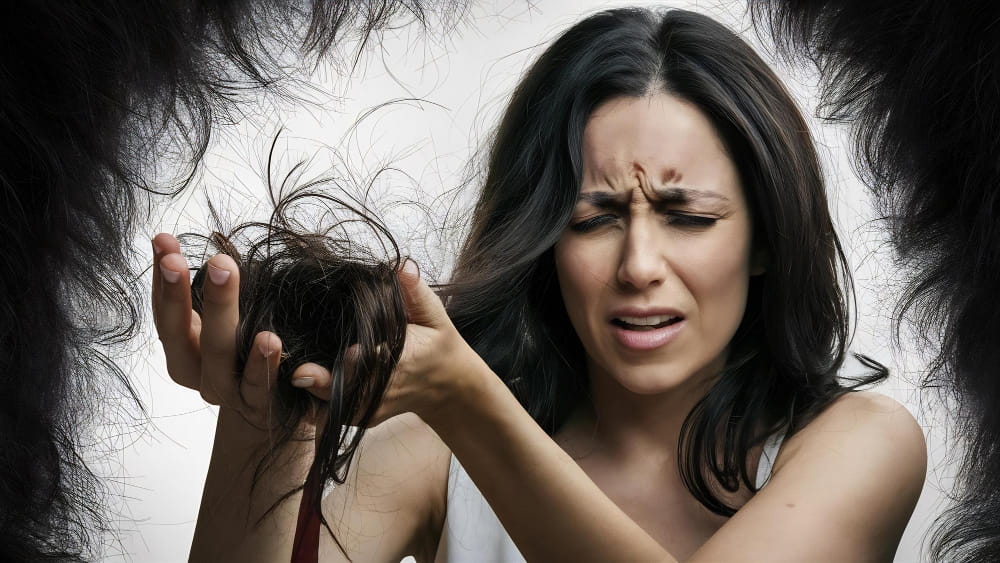
Are your hair extensions falling out only days or weeks after installation? Maybe your extensions are slipping down, your weft feels loose, or certain attachment points are pulling and hurting your scalp.
When this happens, many people immediately assume they received bad-quality hair. But hair extensions falling out does not always mean there is something wrong with the extension hair itself.
Improper installation, incorrect sectioning, excessive weight, poor placement, loose attachments, product buildup, and incorrect aftercare can all cause extensions to slip or become uncomfortable.
If your extensions are coming loose much sooner than expected, understanding the actual cause can help you protect both your natural hair and the extensions you purchased.
Why Are My Hair Extensions Falling Out?
One of the most common questions extension wearers ask is, “Why are my hair extensions falling out?”
There is no single answer because different extension systems attach to natural hair differently.
Common causes include:
- Incorrect installation technique
- Poor sectioning of the natural hair
- Extensions that are too heavy
- Loose beads or attachment points
- Poor tape adhesion
- Oil or product buildup
- Incorrect extension placement
- Excessive tension
- Poor maintenance
- Natural hair shedding
- Using an extension method unsuitable for the client's hair density
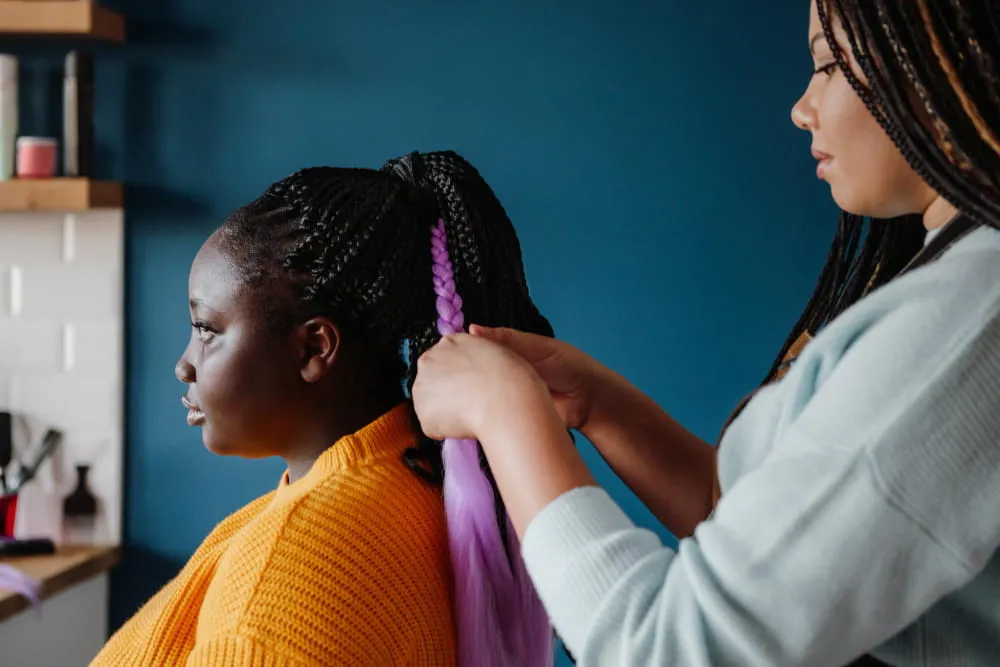
Whether you wear tape-ins, I-tips, K-tips, micro links, sew-ins, hand-tied wefts, or machine wefts, the quality of the installation plays an important role in how securely your extensions stay in place.
If several hair extensions are falling out shortly after your appointment, have the installation evaluated before assuming that the hair itself needs to be replaced.
1. Incorrect Sectioning Can Cause Hair Extensions to Fall Out
Every extension attachment requires the correct amount of natural hair to support it.
If a stylist takes sections that are too large or too small, the attachment may not perform properly.
For example, a tape-in extension needs enough natural hair to support the extension while still allowing the adhesive surfaces to make proper contact.
Beaded systems such as I-tips also depend on appropriate sectioning.
If too little natural hair is used, the extension may place too much stress on a small number of strands. If the section is inappropriate for the attachment, the extension may also begin sliding.
This is why hair extensions falling out can sometimes be an installation issue rather than a hair-quality issue.
2. Extensions May Be Too Heavy for Your Natural Hair
More hair does not automatically create a better extension installation.
A professional stylist should consider:
- Natural hair density
- Individual strand thickness
- Hair condition
- Extension length
- Extension weight
- Attachment method
- Placement
- Number of rows or extensions
Long, thick extensions add considerably more weight than shorter or lighter extensions.
If too much extension hair is attached to a small section of natural hair, it can create pulling and discomfort. It may also contribute to attachment problems.
This is especially important for people with fine or low-density natural hair.
The goal should be to achieve the desired volume and length without asking the natural hair to support unnecessary weight.

3. Hair Extensions Should Not Constantly Hurt or Pull
Freshly installed extensions may feel different because there are new attachment points and additional hair on your head.
Persistent pain is different.
Your extensions should be checked if you experience:
- Constant pulling
- Sharp discomfort around attachments
- Persistent scalp soreness
- Headaches after installation
- Pain when putting your hair up
- One attachment that hurts considerably more than others
Hair extensions should not need to be painfully tight to stay secure.
In fact, excessive tension can create additional stress on the natural hair.
If your hair extensions are falling out and hurting at the same time, the placement and tension of the installation deserve particular attention.
4. Extensions Can Be Installed Too Close to the Scalp
Proper placement allows extensions to move naturally with the client's hair.
When attachments are positioned incorrectly or excessively close to the scalp, they may create unnecessary tension.
You may notice discomfort when:
- Moving your hair from side to side
- Putting your hair into a ponytail
- Sleeping
- Brushing
- Turning your head
- Touching certain attachment points
An extension installation needs to be secure without restricting natural movement.
If your extensions constantly pull against the scalp, ask your stylist to inspect the placement rather than simply assuming the discomfort is normal.
5. Tape-In Hair Extensions Falling Out or Slipping
If you have tape-in hair extensions falling out, preparation and application should be among the first things checked.
Tape extensions rely on adhesive, so anything that interferes with the bond can increase the chance of slipping.
Possible causes include:
- Oil near the roots
- Heavy conditioner
- Product buildup
- Improper hair preparation
- Incorrect section thickness
- Insufficient contact between adhesive surfaces
- Poor attachment placement
- Applying certain products directly around the tapes
The natural hair section between tape pieces also needs to be appropriate.
If the section is too thick, the adhesive surfaces may not connect correctly. If there is too little natural hair supporting the extension, the attachment may place unnecessary pressure on those strands.
Therefore, hair extensions falling out after a tape-in installation does not automatically mean the hair itself is poor quality.
The installation and adhesive system need to be inspected first.
6. Why Are My Weft Hair Extensions Falling Out?
Weft extensions depend on a secure installation foundation.
If weft hair extensions are falling out, becoming loose, or moving much sooner than expected, the problem may involve:
- Loose beads
- Stitching
- Row placement
- Weak anchoring
- Excessive tension
- Incorrect maintenance
- An installation unsuitable for the client's natural hair
The important distinction is that the hair weft and the installation are two different things.
A premium human hair weft can still loosen when the foundation supporting it has not been installed correctly.
Similarly, a perfectly secure installation cannot compensate for low-quality extension hair.
A good result requires both quality hair and professional installation.
7. I-Tip Extensions Can Slip When Attachments Are Incorrect
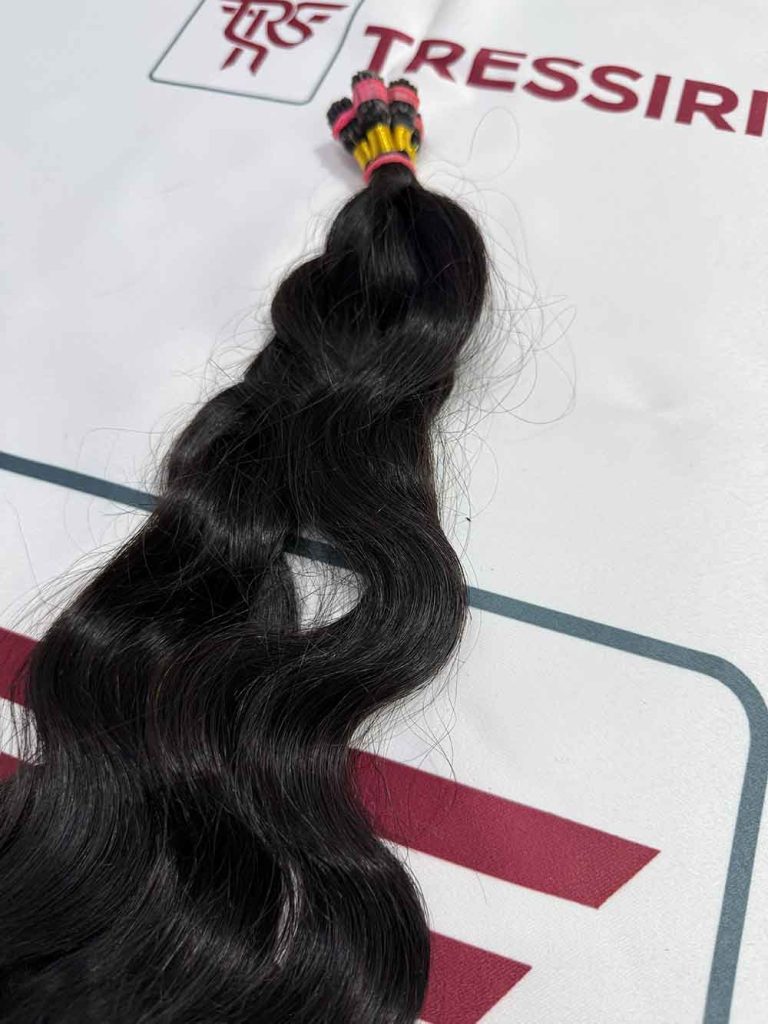
I-tip hair extensions use individual attachment points rather than a continuous weft.
Their performance depends on several factors working together:
- Natural hair section size
- Extension strand weight
- Bead size
- Bead placement
- Tool pressure
- Hair texture
- Product use near the attachment
If multiple I-tip extensions begin sliding soon after installation, the attachment method should be evaluated.
Avoid repeatedly pushing slipping extensions back toward the scalp yourself.
A trained extension professional can determine whether the bead needs to be repositioned, tightened, replaced, or reinstalled.
Repeatedly manipulating attachments without understanding the original installation can put unnecessary tension on the natural hair.
8. Hair Extensions Falling Out vs. Extension Hair Shedding
These are not necessarily the same problem.
Understanding the difference can help determine whether you have an installation problem or a potential hair-quality problem.
Hair extensions slipping
The complete attachment begins moving down the natural hair or becomes detached.
Hair extensions falling out
An entire tape, I-tip, bond, weft section, or other extension attachment comes away from its intended position.
Extension shedding
Individual strands are coming out of the extension hair or weft itself.
Natural hair shedding
Human hair naturally sheds. When extensions are attached for several weeks, naturally shed strands can remain trapped within the attachment until maintenance or removal.
Because these situations can look similar, avoid assuming that seeing loose hair automatically indicates defective extensions.
If entire attachment points are moving, slipping, or coming loose, installation should be investigated first.
9. Poor Aftercare Can Cause Hair Extensions to Fall Out
Installation is not the only factor.
Aftercare also plays an important role in preventing hair extensions falling out prematurely.
The correct maintenance routine depends on your extension method, but common considerations include:
- Avoiding excessive oil around attachment points
- Brushing extensions correctly
- Supporting attachment points while brushing
- Avoiding unnecessary pulling
- Following the recommended washing routine
- Keeping certain products away from bonds or adhesives
- Avoiding sleeping with wet extension hair
- Scheduling maintenance appointments
- Not allowing excessive regrowth before a move-up
This is another reason it is important to ask your stylist for method-specific care instructions.
Aftercare recommendations for tape-in extensions may be different from the care required for I-tips, K-tips, sew-ins, or wefts.
How Can You Tell if It Is Bad Hair or Bad Installation?
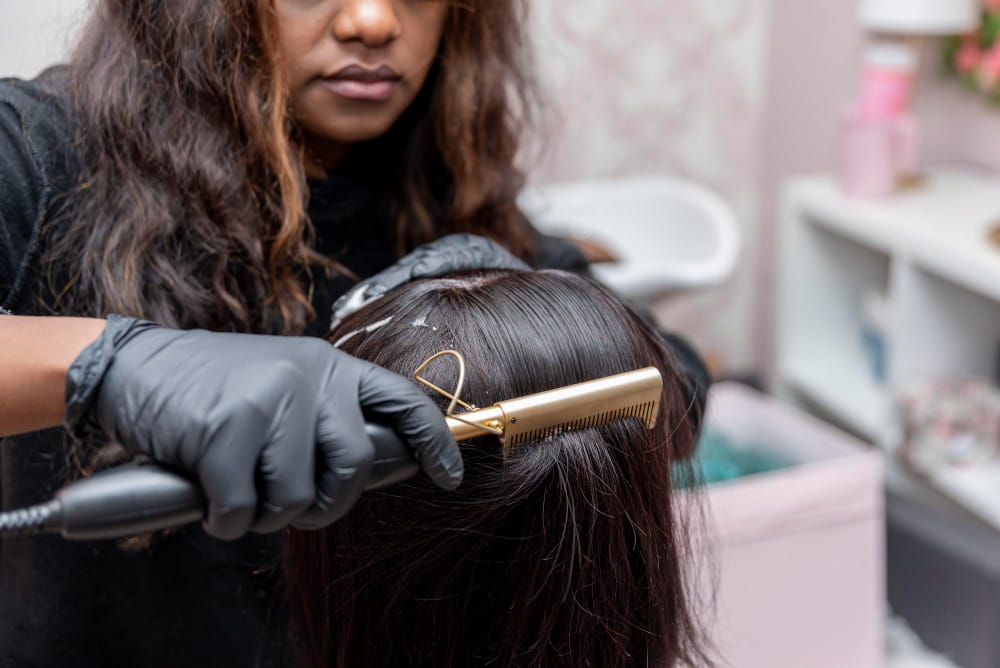
If your hair extensions are falling out, determine what part of the extension system is actually failing.
Signs that may point toward installation
- Several extensions start slipping shortly after installation
- Tape attachments separate
- Beads repeatedly slide
- A weft becomes loose from its foundation
- Attachment points cause concentrated pulling
- Extensions feel excessively tight
- Problems occur primarily around installation points
Signs that may point toward extension hair or construction
- Excessive shedding directly from the weft
- Severe tangling despite appropriate care
- Extension hair deteriorates unusually quickly
- The weft construction begins unraveling
- Hair behaves very differently from the stated texture or quality
Sometimes there can be more than one factor involved.
When possible, let an experienced extension stylist inspect both the hair and the attachment before deciding what should be replaced.
What Should You Do When Hair Extensions Are Falling Out?
If one extension slips, do not panic.
However, if several hair extensions are falling out within days or shortly after your installation, contact your stylist.
Take clear photographs showing:
- The attachment that came loose
- Your natural hair around the attachment
- The extension itself
- Other nearby attachments that remain secure
Tell your stylist when the extensions were installed and approximately when the slipping started.
This gives them much more useful information than simply saying your extensions are coming out.
If you also experience persistent pain, scalp irritation, redness, or strong pulling, ask for the installation to be checked promptly.
Can High-Quality Hair Extensions Still Fall Out?
Yes.
Premium human hair and professional installation are separate parts of a successful extension service.
High-quality hair can still slip or become loose if:
- The sections were incorrect
- Attachments were installed improperly
- The extension was too heavy for the natural hair
- Placement was unsuitable
- The client did not follow appropriate aftercare
Likewise, perfect installation cannot make poor-quality extension hair perform like premium human hair.
For the best results, think of extension success as three connected factors:
Quality human hair + correct installation + proper maintenance
All three matter.
How to Prevent Hair Extensions Falling Out After Installation
You cannot prevent every possible extension problem, but a few steps can greatly reduce unnecessary slipping.
Before your appointment:
- Choose a stylist experienced with your extension method.
- Discuss your natural hair density and condition.
- Ask how much extension hair your natural hair can comfortably support.
- Confirm which type of extension hair you need before purchasing.
- Ask about maintenance costs and frequency.
After your appointment:
- Follow your stylist's washing instructions.
- Keep oils and heavy products away from attachment points when required.
- Brush carefully.
- Do not pull aggressively when styling.
- Attend maintenance appointments on schedule.
- Contact your stylist if several attachments suddenly loosen.
Preventing hair extensions falling out starts before the installation itself.
The hair, method, stylist, placement, and maintenance routine should all work together.
Questions to Ask Your Hair Extension Stylist Before Installation
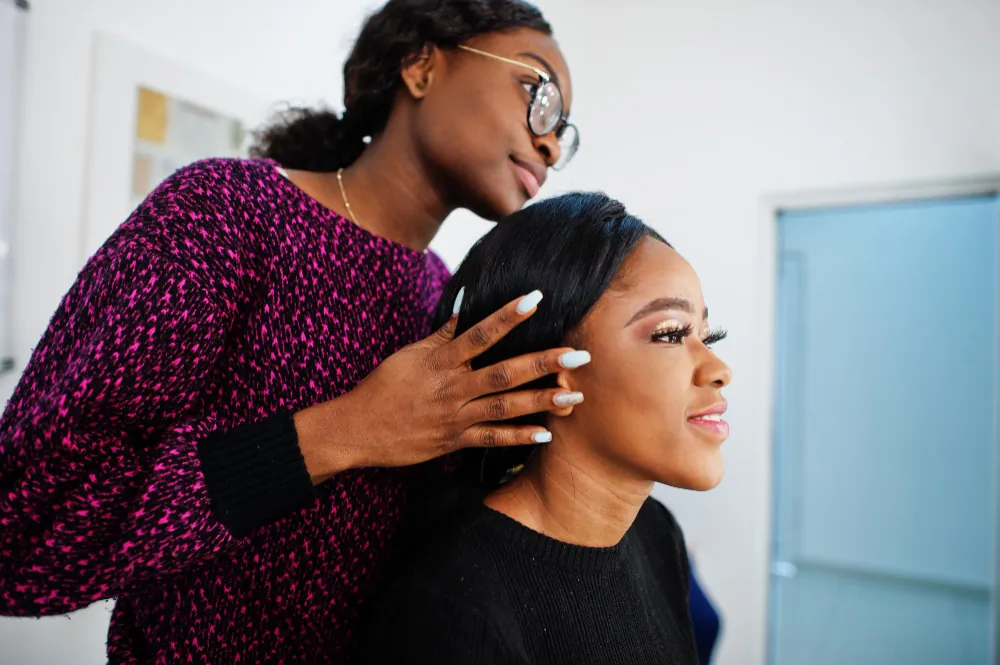
A professional consultation should involve more than choosing your desired length.
Ask:
Which extension method works best with my hair density?
How much extension hair can my natural hair support?
How many bundles, rows, or individual extensions do I need?
How should the attachments feel immediately after installation?
Is some movement normal?
What should I do if an extension starts slipping?
Which products should I keep away from the attachments?
When do I need maintenance or a move-up?
Can an uncomfortable attachment be adjusted?
These questions can help establish realistic expectations before installation.
Frequently Asked Questions About Hair Extensions Falling Out
Why are my hair extensions falling out after one week?
If your hair extensions are falling out after one week, possible causes include improper installation, incorrect sectioning, poor adhesive contact, loose attachments, unsuitable weight, or aftercare issues.
Because one week is relatively soon after installation, contact the stylist and have the attachment points inspected.
Is it normal for hair extensions to fall out?
Different extension methods behave differently over time, and some movement can occur as the natural hair grows.
However, multiple hair extensions falling out shortly after installation should be investigated.
Why are my hair extensions slipping?
Extensions may slip because of improper sectioning, incorrect attachment, oils or products around certain attachment systems, loose beads, natural hair characteristics, or maintenance issues.
Why are my hair extensions pulling my scalp?
Pulling can occur when an attachment is too tight, incorrectly positioned, too heavy for the supporting natural hair, or otherwise unsuitable for that area.
Persistent pulling should be evaluated by the installer.
Why are my hair extensions hurting?
New extensions may initially feel unfamiliar, but significant or continuing pain should not simply be ignored.
Ask the stylist to check the tension, weight, and positioning of the attachments.
Why are my weft extensions falling out?
Weft extension problems may involve loose beads, row construction, stitching, placement, excessive regrowth, maintenance, or the underlying installation technique.
Why are my tape-in extensions falling out?
Tape-ins can slip because of oils, conditioners, product buildup, poor preparation, improper sectioning, adhesive problems, or installation technique.
Does hair extensions falling out mean the hair is bad quality?
Not necessarily.
When an entire attachment slips or comes loose, the problem often involves the method used to attach the extension rather than the quality of the hair strands.
Hair quality should be evaluated separately from attachment performance.
Choosing Quality Human Hair for Your Installation
Once you know which extension method your stylist recommends, the next step is choosing suitable human hair.
Professional extension artists may work with different forms of hair depending on the service they provide.
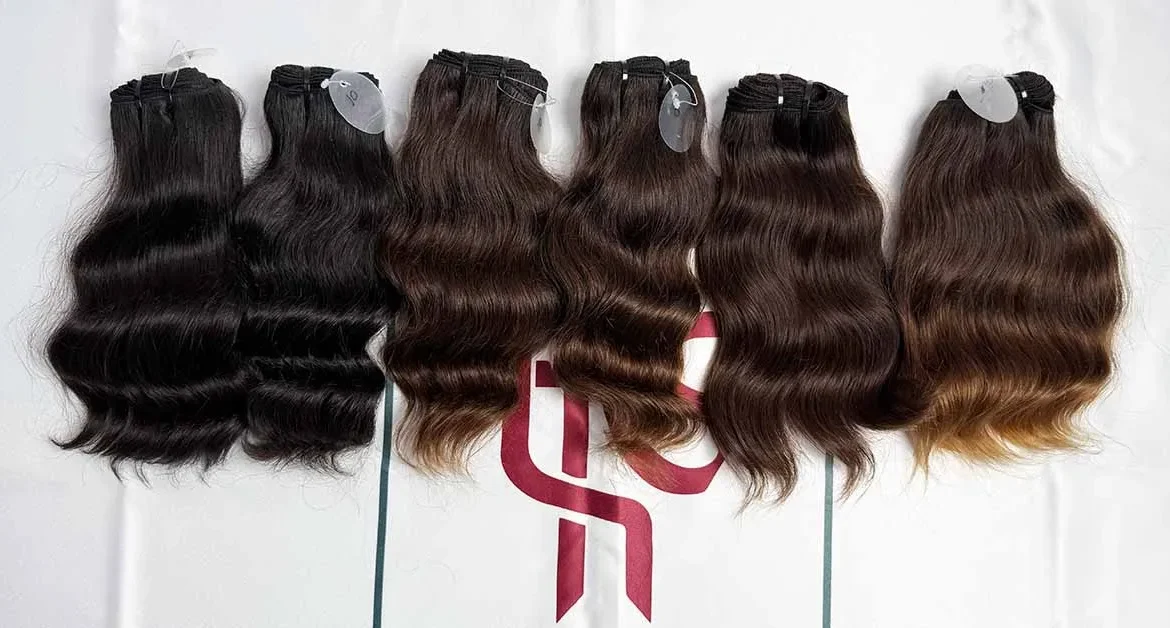
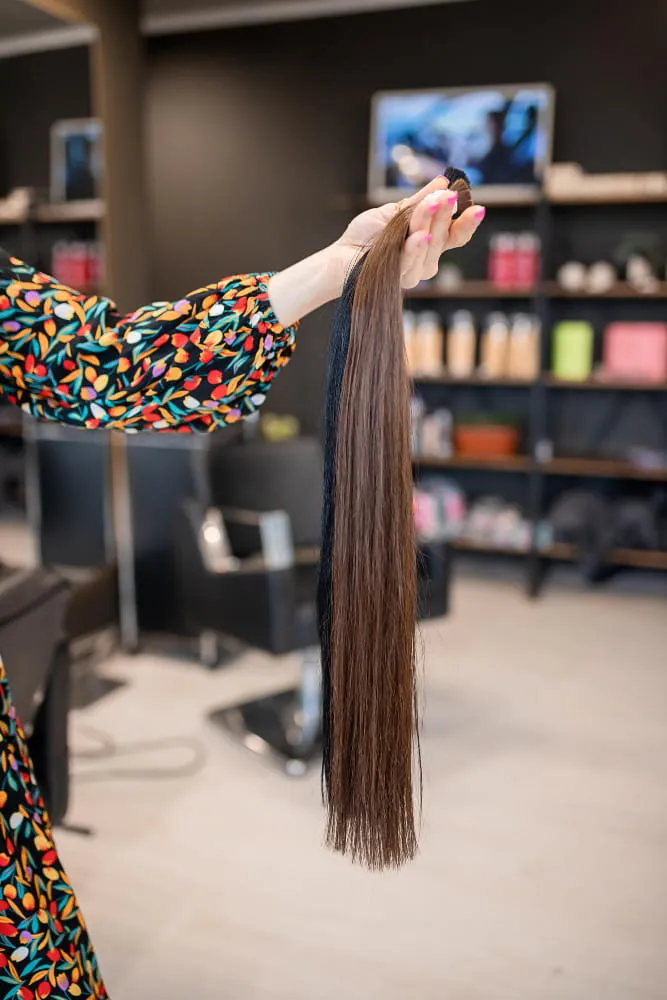
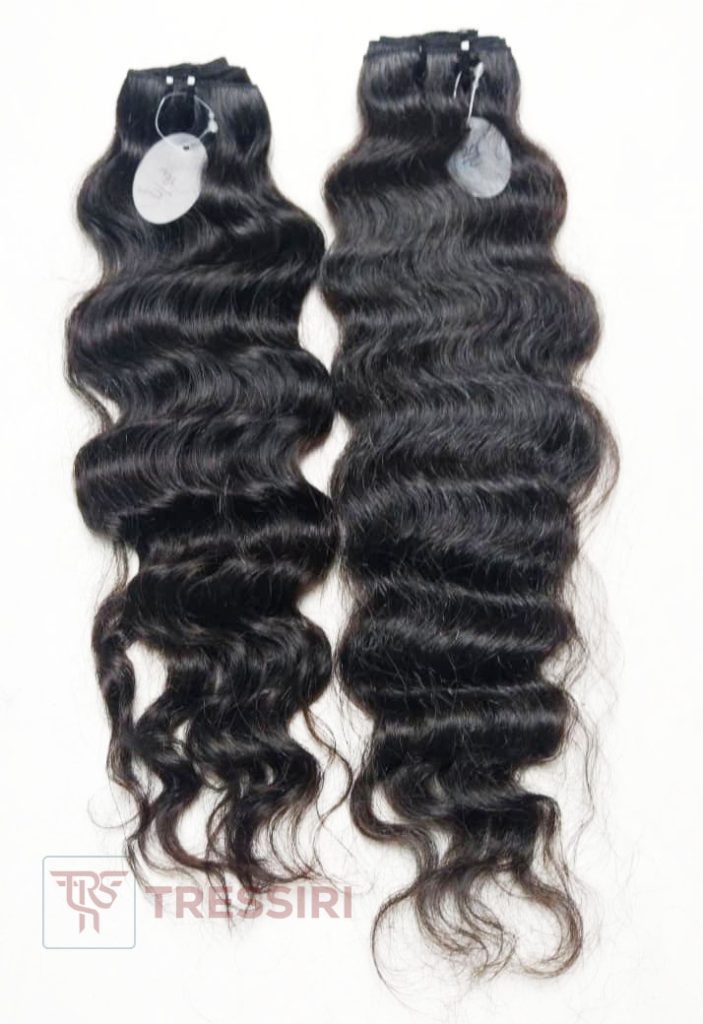
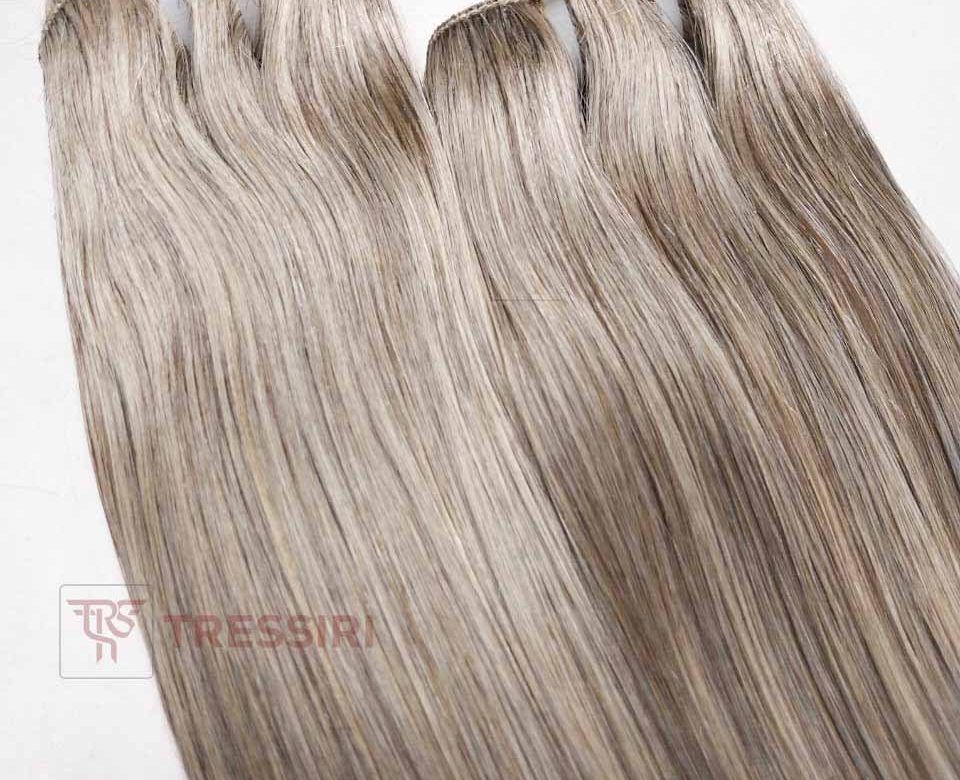
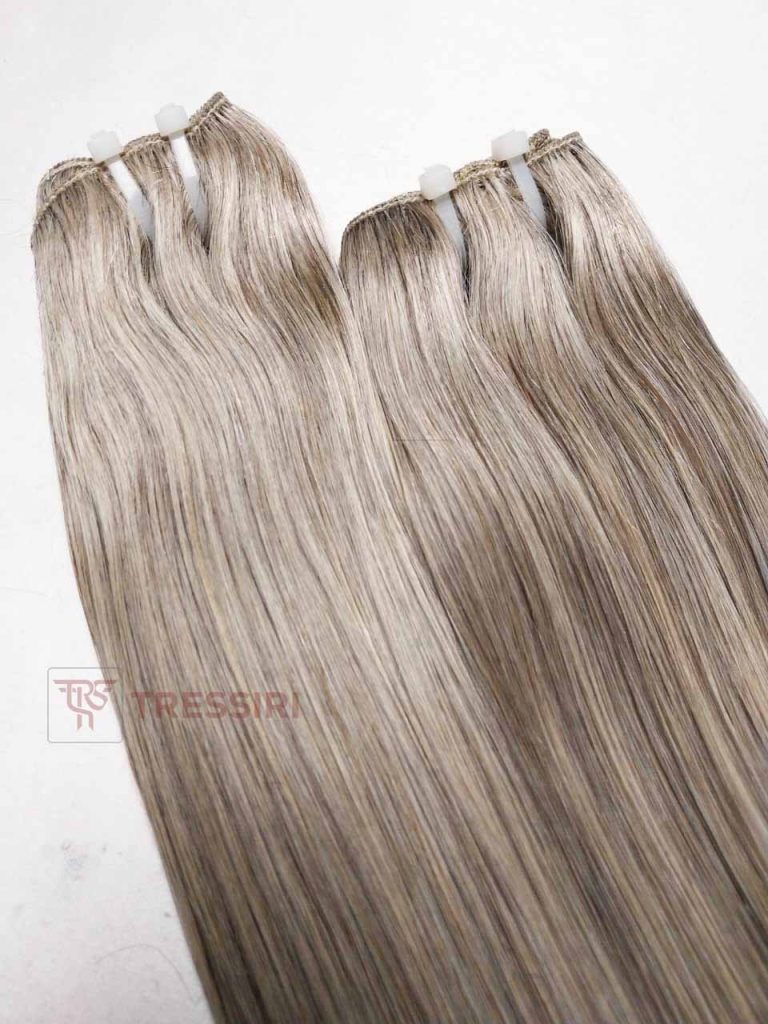
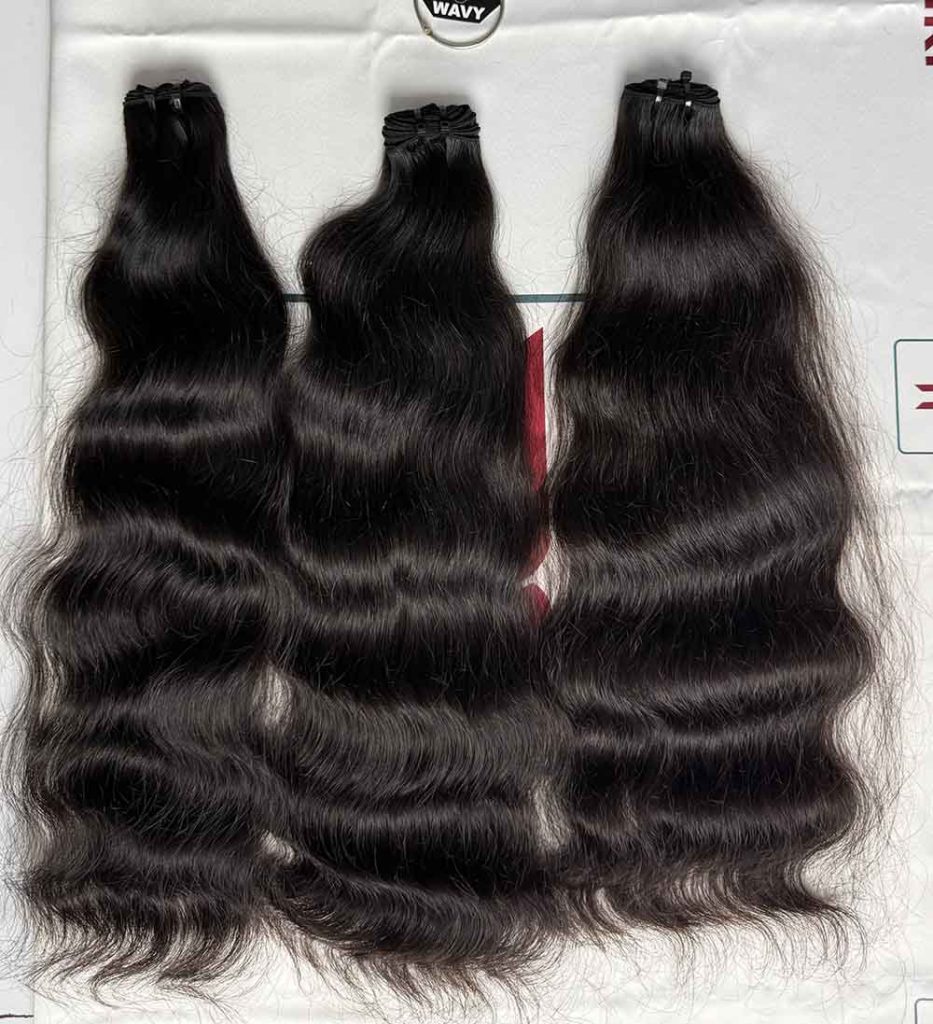
For example, bulk human hair can be used by professionals who create customized extension systems, while human hair wefts and bundles are commonly used for sew-ins and other weft-based installations.
At Tressiri, we offer ethically sourced Indian human hair in a variety of textures and formats for customers, stylists, and professional extension applications.
Before ordering, confirm the hair type, length, quantity, and format required by your installer.
Buying beautiful hair is only one part of the process. Matching that hair with the appropriate extension method and professional installation is what creates the finished result.
Final Thoughts: Why Hair Extensions Fall Out
When hair extensions are falling out, slipping, pulling, or hurting, do not automatically assume you need to buy completely new hair.
First determine what is actually happening.
Check the:
- Attachment
- Sectioning
- Placement
- Weight
- Installation method
- Natural hair density
- Maintenance routine
- Extension construction
A good extension installation depends on more than the hair itself.
Premium human hair needs proper sectioning, placement, installation, and aftercare to perform as intended.
If your hair extensions are falling out unusually soon after installation, have your stylist inspect the attachment system before deciding whether the extension hair itself needs to be replaced.