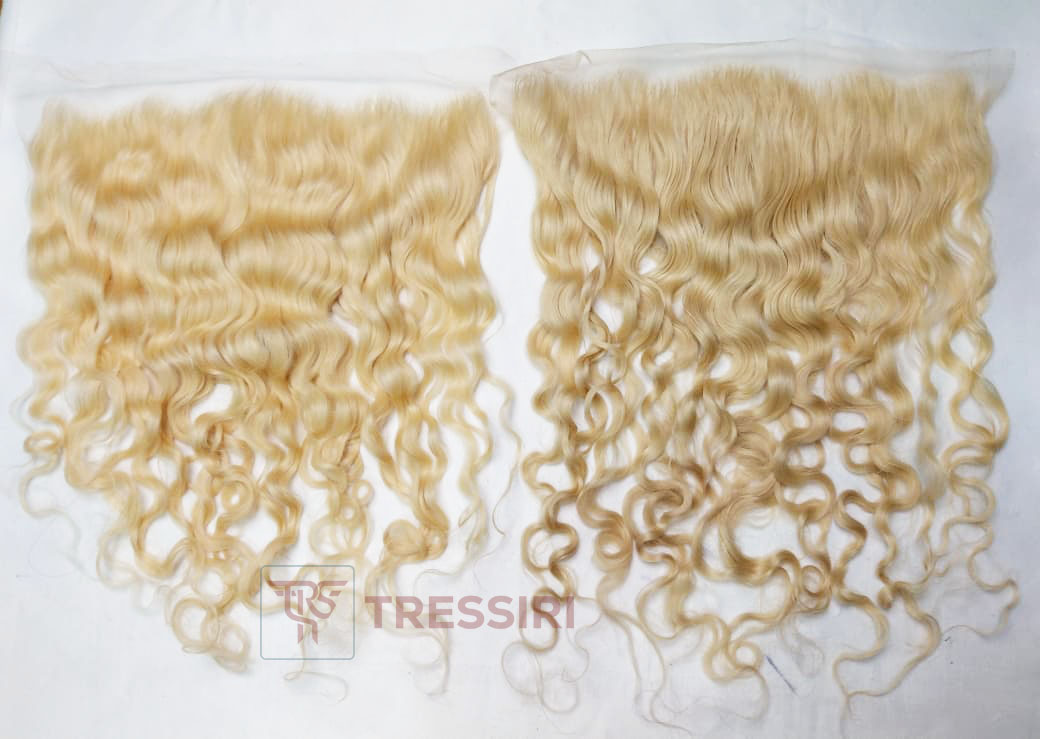
The demand for Raw Indian Hair has grown tremendously over the last few years. More women are searching for hair that looks natural, lasts longer, and blends beautifully with their own hair. Unfortunately, as demand increases, so does confusion. Today, many products are advertised as “raw” even when they have gone through chemical treatments, steam processing, or texture alteration before reaching the customer.
If you’ve ever wondered why one seller charges $70 for a bundle while another charges $180 for what appears to be the same thing, you’re not alone. Price differences often reflect differences in quality, sourcing, and processing. Understanding those differences can help you avoid disappointment and invest in hair that truly delivers long term value.
This guide explains what genuine Raw Indian Hair really is, how it differs from processed hair, and the practical signs every buyer should know before making a purchase.
What Is Raw Indian Hair?
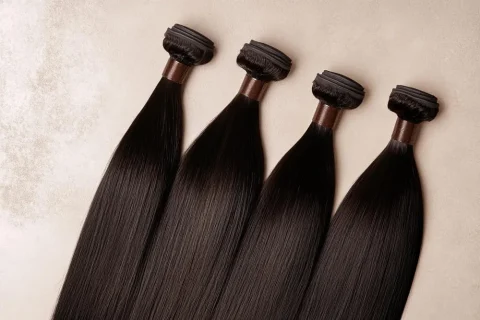
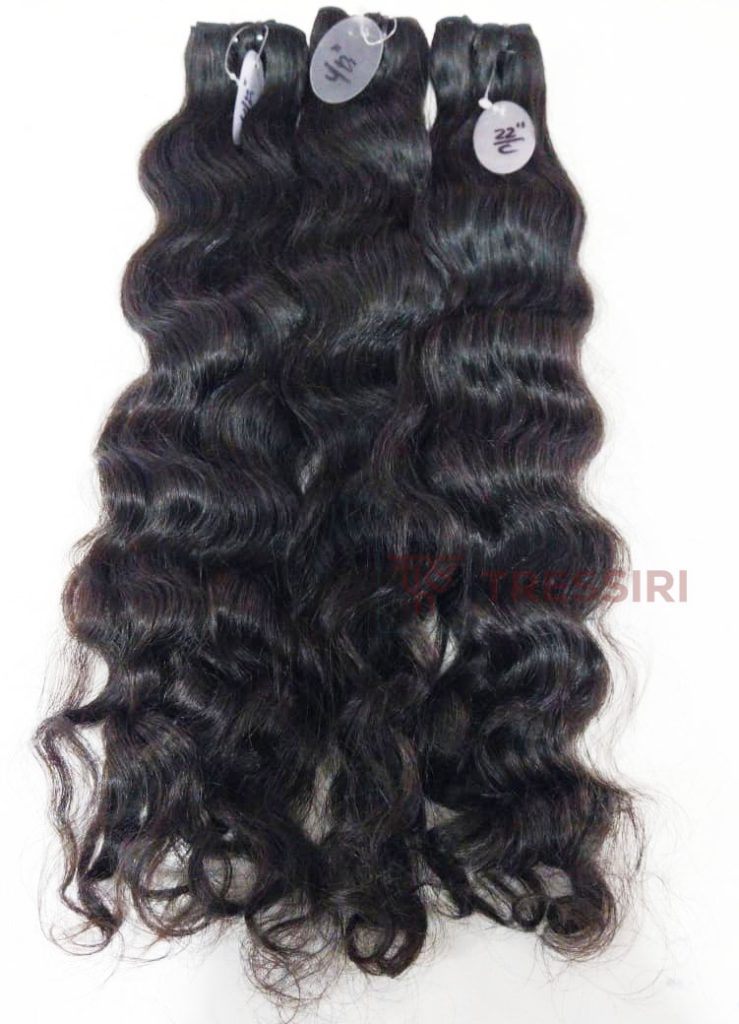
Raw Indian Hair is human hair collected in its natural state without chemical straightening, texture alteration, silicone coating, or permanent processing. Each bundle retains its original cuticle direction, natural movement, and unique texture.
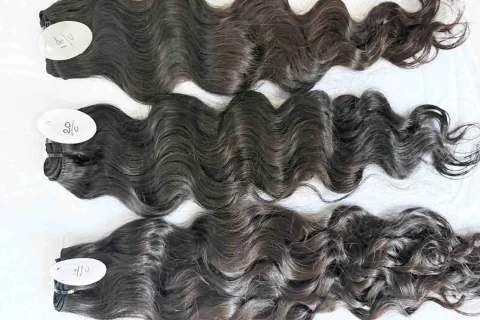
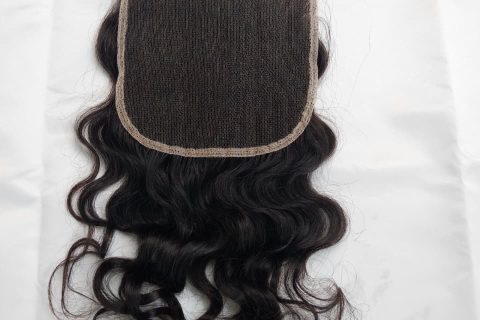
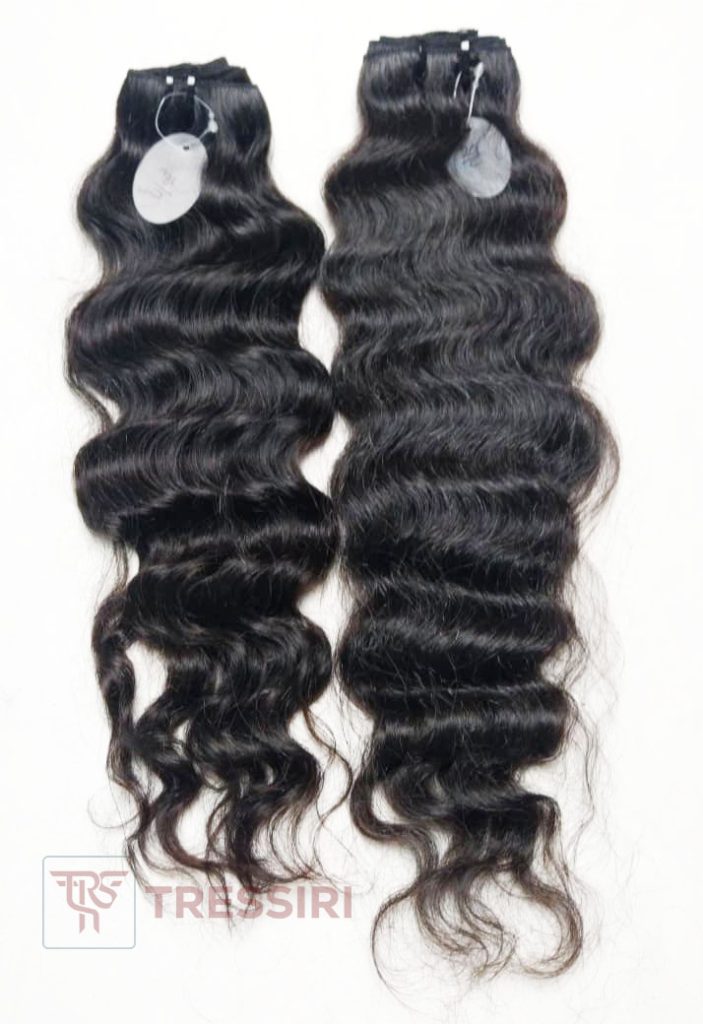
Unlike factory processed hair that is manufactured to look identical, authentic Raw Indian Hair embraces natural variation. One bundle may have a softer wave while another has slightly tighter movement because every donor has different hair characteristics.
These natural differences are actually a sign of authenticity rather than inconsistency.
Because the hair has not been heavily processed, it generally responds better to washing, coloring, heat styling, and regular maintenance. With proper care, premium Raw Indian Hair can last significantly longer than heavily processed alternatives.
Why Is There So Much Confusion About “Raw” Hair?
The word raw has become one of the most frequently used marketing terms in the hair industry. Unfortunately, there is no universal certification that requires every supplier to meet the same definition.
Some manufacturers label steam textured hair as raw because it contains human hair. Others chemically process hair, wash it with strong solutions, apply silicone coatings, and still advertise it as “100% Raw.”
For customers, this creates a difficult situation. Two websites may both advertise Raw Indian Hair while selling products of completely different quality.
That is why buyers should focus less on marketing labels and more on understanding how the hair was sourced and handled before it reached them.
Genuine Raw Hair Tells Its Own Story
One of the easiest ways to recognize authentic Raw Indian Hair is by accepting that perfection is not always natural.
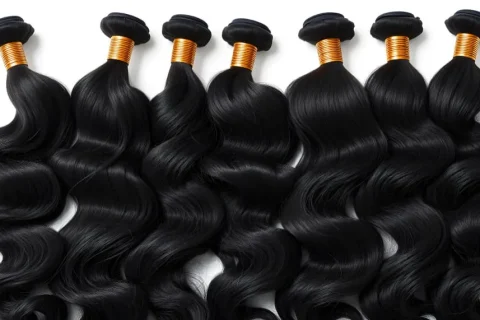
Many first time buyers expect every bundle to have identical curls, identical color, identical shine, and identical thickness. Ironically, these perfectly matching bundles are often the result of factory processing rather than natural collection.
Real Raw Indian Hair usually includes subtle variations that reflect its human origin.
You may notice slight differences in wave pattern, natural brown undertones, or individual strand thickness. These characteristics are not defects. Instead, they are reminders that the hair came from real people rather than a production line designed to make every bundle look exactly alike.
How Factory Processed Hair Is Different
Factory processed hair often begins as collected human hair, but it goes through several additional steps before reaching customers.
During manufacturing, different hair types may be mixed together before chemical treatments remove inconsistencies. Strong cleaning agents strip the hair, steam machines create new curl patterns, silicone coatings add artificial shine, and dyes create uniform colors across every bundle.
At first glance, processed hair often looks extremely attractive.
It may appear shinier than Raw Indian Hair immediately after opening the package. However, that appearance can change after several washes as coatings gradually disappear.
This doesn’t mean every processed product is poor quality. Many processed extensions perform well for customers seeking temporary styling. However, buyers looking for premium longevity often prefer genuine Raw Indian Hair because it maintains its natural structure.
Five Signs You May Be Looking at Genuine Raw Indian Hair
Rather than relying on marketing claims alone, pay attention to what you actually see.
A high quality Raw Indian Hair bundle often shows several natural characteristics:
- Slight variation in texture from bundle to bundle.
- Natural dark brown or off black shades instead of artificial jet black.
- Soft movement without excessive silicone shine.
- Minimal chemical odor.
- Hair that becomes even softer after washing instead of losing quality.
No single characteristic guarantees authenticity, but together they create a much clearer picture than advertising slogans alone.
Signs That Should Make Buyers Ask More Questions
Some products deserve closer inspection before purchasing.
Extremely uniform curl patterns, unusually glossy finishes, perfectly identical bundles, or prices that seem dramatically lower than the rest of the market should encourage buyers to ask additional questions rather than making assumptions.
Responsible sellers should be comfortable explaining:
- Where the hair originates.
- Whether the texture is natural.
- Whether the hair has been chemically altered.
- Whether silicone coatings are applied.
- How the hair should be maintained.
Transparent answers often indicate a supplier who understands and stands behind their products.
Why South Indian Hair Has Earned a Strong Reputation
Among premium hair extension buyers, South Indian Hair has developed a reputation for its naturally soft texture, strength, and versatility.
Its fine to medium strand thickness allows it to blend beautifully with many natural hair types while still offering enough durability for repeated styling. Whether worn straight, wavy, or curled, high quality South Indian Hair retains movement that many customers appreciate.
Because every donor is unique, authentic South Indian Hair also preserves the subtle individuality that makes Raw Indian Hair look realistic rather than manufactured.
Why Does Genuine Raw Indian Hair Cost More?
One of the most common questions buyers ask is why two bundles that appear similar can have such different prices. While marketing plays a role, the biggest factor is the amount of work required to source and preserve genuine Raw Indian Hair without compromising its natural quality.
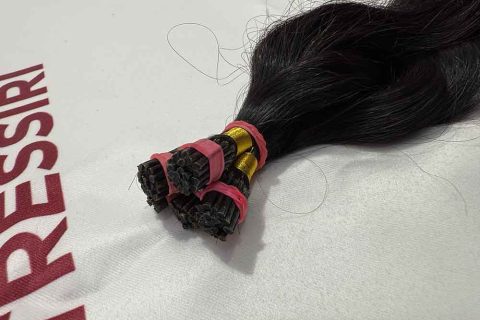
Unlike factory processed hair, authentic Raw Indian Hair is not mass produced to meet a specific texture or appearance. Every bundle begins with naturally donated or collected human hair that must be carefully sorted by length, texture, and quality. Skilled workers inspect the strands to ensure the cuticles remain aligned, reducing tangling and helping the hair maintain its natural movement.
The collection process also results in a smaller supply compared to factory hair. Since every donor has unique characteristics, manufacturers cannot simply create unlimited quantities of identical bundles. This limited availability naturally increases the value of premium Raw Indian Hair.
When customers purchase high quality hair, they are investing in careful sourcing, skilled craftsmanship, and durability rather than simply paying for the bundle itself.
Common Myths About Raw Indian Hair
As Raw Indian Hair has become more popular, many misconceptions have spread across social media and online marketplaces. Understanding these myths can help buyers make informed decisions.
Myth 1: Every Raw Hair Bundle Should Look Exactly the Same
This is one of the biggest misconceptions.
Natural human hair varies from person to person. Slight differences in wave pattern, density, or shade are normal and often indicate authenticity. Perfectly identical bundles are more commonly associated with factory processing than naturally collected hair.
Myth 2: Shinier Hair Is Always Better
Many buyers are immediately attracted to extremely glossy bundles.
However, excessive shine is often created by silicone coatings applied during manufacturing. These coatings may wash away after several shampoos, revealing hair that looks completely different from its original appearance.
Natural Raw Indian Hair usually has a healthy, soft shine rather than an artificial glossy finish.
Myth 3: Raw Hair Never Sheds
Every human hair extension can experience some shedding over time.
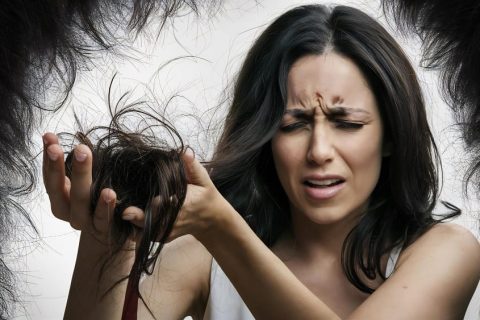
Even premium Raw Indian Hair may lose a few strands during washing or brushing. Excessive shedding, however, often indicates poor weft construction or damage caused during processing.
Proper installation and gentle maintenance help minimize shedding and extend the life of the extensions.
Myth 4: All Indian Hair Is Raw Hair
This is not true.
India produces many types of hair products. Some remain completely natural, while others are chemically treated, steam textured, dyed, or silicone coated before export.
The country of origin alone does not determine whether the hair is truly raw.
Questions Every Buyer Should Ask Before Purchasing
Rather than focusing only on price, experienced buyers ask questions that reveal how the hair has been sourced and handled.
A trustworthy supplier should be comfortable discussing:
- Is the texture naturally occurring or factory created?
- Has the hair been chemically processed?
- Are the cuticles aligned?
- Can the hair be colored safely by a professional?
- How long does the hair typically last with proper care?
- What maintenance routine do you recommend?
- Is there a return or exchange policy?
Suppliers who openly answer these questions usually demonstrate greater transparency and confidence in their products.
How to Care for Raw Indian Hair
Buying premium Raw Indian Hair is only the beginning. Proper care plays a significant role in maintaining softness, reducing tangling, and extending the life of your investment.
Start by washing the hair with a sulfate free shampoo designed for human hair extensions. Focus on cleansing the strands gently rather than scrubbing aggressively. Follow with a moisturizing conditioner to maintain softness and flexibility.
After washing, gently squeeze out excess water using a microfiber towel instead of rubbing the hair. Allow the extensions to air dry whenever possible. If heat styling is necessary, always use a quality heat protectant to reduce unnecessary stress on the strands.
Brushing should begin at the ends before gradually working upward. Using a wide tooth comb or extension friendly brush helps reduce unnecessary pulling and minimizes shedding.
At night, loosely braid long extensions or wrap them in a silk or satin scarf. This simple habit helps prevent friction while sleeping and keeps the hair smoother between washes.
When swimming, rinse the hair immediately after exposure to chlorine or saltwater. These substances can gradually dry out even the highest quality human hair if left untreated.
With consistent care, premium Raw Indian Hair can maintain its beauty through multiple installations, making it a valuable long term investment.
How Tressiri Approaches Quality
At Tressiri, we understand that buying premium hair is about more than appearance. Customers deserve confidence in what they are purchasing.
Our focus is on offering carefully selected South Indian Hair that preserves its natural beauty, softness, and versatility. Rather than chasing trends or relying on exaggerated marketing claims, we believe in educating customers so they can make informed decisions based on quality, transparency, and realistic expectations.
Every customer has different styling goals, and choosing the right extensions begins with understanding the differences between natural and heavily processed hair.
Frequently Asked Questions
Is Raw Indian Hair always black?
No. Genuine Raw Indian Hair naturally varies in shade, ranging from dark brown to natural black. Slight color differences are completely normal.
Can Raw Indian Hair be colored?
Yes. Because it has not undergone heavy chemical processing, premium Raw Indian Hair generally responds well to professional coloring. However, bleaching or coloring should always be performed by an experienced stylist to help preserve the hair’s integrity.
How long does Raw Indian Hair last?
With proper care, high quality Raw Indian Hair can last well beyond a year and often through multiple installations. Longevity depends on maintenance, styling habits, and how frequently the hair is worn.
Is every expensive bundle genuine Raw Hair?
Not necessarily. Price alone does not guarantee authenticity. Buyers should also consider transparency, sourcing information, customer reviews, and the supplier’s reputation.
Does Raw Indian Hair tangle?
Properly sourced and well maintained Raw Indian Hair should experience minimal tangling. Like natural hair, however, neglect, product buildup, or improper care can increase tangling over time.
Final Thoughts
Choosing Raw Indian Hair is about more than following a trend. It is about understanding the difference between natural quality and factory processing, asking the right questions, and investing in hair that offers lasting value.
As more products enter the market, buyers who educate themselves are better equipped to recognize authentic craftsmanship and avoid misleading marketing claims. Natural variation, transparent sourcing, proper maintenance, and realistic expectations all contribute to a better purchasing experience.
Whether you are purchasing your first bundle or adding to an existing collection, taking the time to understand genuine Raw Indian Hair will help you make a more confident decision.
If you are looking for premium South Indian Hair that prioritizes quality and transparency, explore Tressiri’s collection of carefully selected human hair extensions and discover the difference authentic craftsmanship can make.