
How Long Do Hair Bundles Last? A Realistic Guide to Wear, Reuse and Value
How Long Do Hair Bundles Last? What Actually Determines Their Lifespan
If you are comparing a $100 bundle with a more expensive raw hair bundle, softness on delivery does not tell you which one is the better value. The more useful question is: how long do hair bundles last in real life?
There is no honest answer based on price or a “hair grade” alone. A bundle's lifespan depends on the condition of the hair before it was made into a weft, how often it is installed, whether it is colored, the amount of daily heat and tension it receives, and how it is handled between installations.
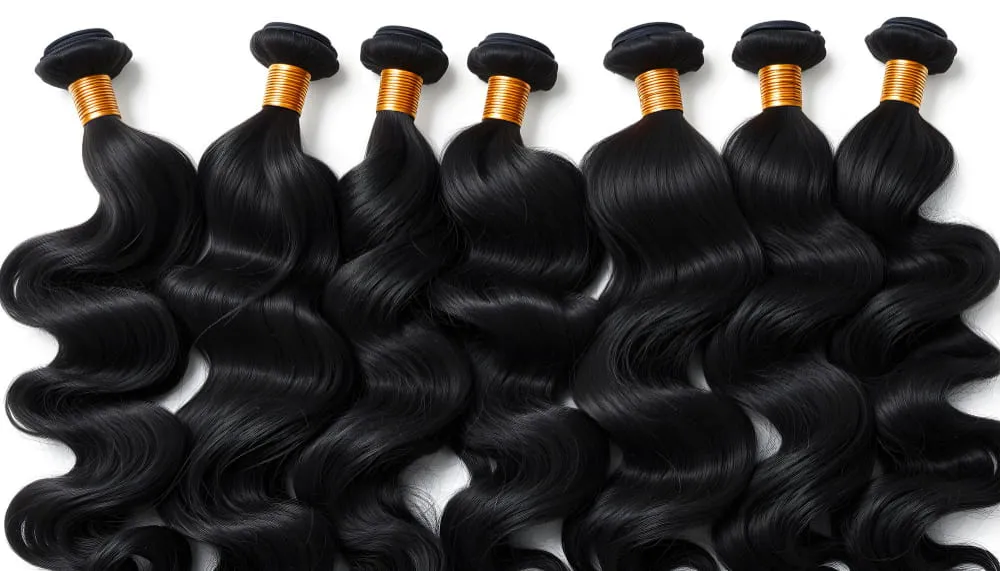
As a practical guide, lower-quality or heavily processed human hair may provide only a few months of satisfactory wear. Better virgin hair can often last around six months to more than a year. High-quality raw Indian hair may remain usable for multiple installations and can last well beyond a year when it is carefully maintained. These are reasonable expectations, not guarantees. Your routine matters as much as the label on the package.
This guide explains how to judge lifespan before buying, what happens during each installation, and when replacing a bundle is safer than trying to revive it.
The short answer: how long do human hair bundles last?
Use this table as a realistic starting point rather than a promise.
| Type of hair | Typical useful lifespan | Reinstallation potential | What usually shortens its life |
|---|---|---|---|
| Heavily processed human hair | A few weeks to several months | Limited | Silicone coating wearing off, matting, shedding, weak ends |
| Good virgin human hair | Roughly 6 to 18 months | Often reusable | Frequent heat, coloring, rough removal, poor storage |
| High-quality raw human hair | Often 1 year or longer | Commonly reusable across multiple installs | Bleaching, excessive heat, cut wefts, buildup, damaged lace or tracks |
The term “human hair” only describes the fiber. It does not confirm that the cuticles are intact, that the strands run in the same direction, or that the hair has avoided harsh processing. Two products carrying the same label can perform very differently after several washes.
Why some bundles look perfect at first but decline quickly
Fresh bundles can be coated to create extra slip and shine. That finish may make mixed or damaged hair feel impressive when it comes out of the package. After several washes, the coating gradually disappears and the condition underneath becomes easier to see.
Common warning signs include:
- tangling that returns immediately after detangling;
- matting at the nape;
- unusually dry or thin ends;
- heavy shedding from the weft;
- a curl pattern that does not recover after washing;
- hair that becomes stiff when styling products are removed.
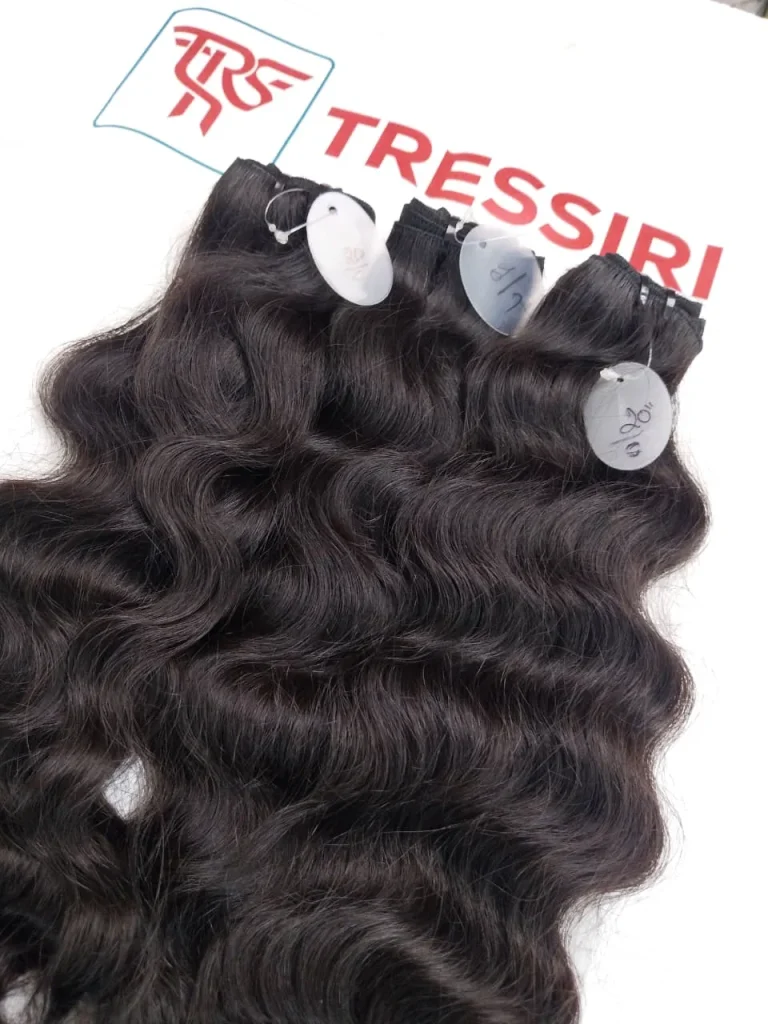
Authentic raw hair should not look factory-perfect. Slight differences in wave pattern or color can be normal because the texture was not manufactured to make every bundle identical. Tressiri explains the broader quality differences in its Raw Indian Hair vs. Virgin Hair guide.
How long do raw Indian hair bundles last?
Well-selected raw Indian hair can last well beyond a year and remain suitable for multiple installations when properly cared for. Some owners keep premium raw bundles for several years, but that result should never be presented as automatic. Frequency of wear, coloring history, installation technique, maintenance, and storage all affect the final lifespan.
Raw Indian hair has an advantage because it has not been repeatedly altered to manufacture a uniform texture. When the cuticles remain intact and aligned, the strands experience less friction than hair assembled with reversed or badly damaged cuticles. This can reduce unnecessary tangling and help the hair retain strength.
For shoppers who want natural movement rather than a perfectly identical factory wave, Tressiri's South Indian Raw Wavy Hair Bundle, USA Stock is made from South Indian temple hair, weighs approximately 100 grams per bundle, and is stocked in College Station, Texas for fast domestic shipping. Each bundle has its own natural wave pattern and character.
How many times can you reinstall hair bundles?
Quality bundles can often be reinstalled two, three, or more times. Counting installations, however, is less accurate than assessing condition. A person who wears bundles daily for eight weeks, applies heat several times a week, and colors them may create more wear than someone who uses the same bundles occasionally in a custom wig.
Before reinstalling, ask your stylist to check:
- The weft: Is it secure, or has shedding created gaps?
- The ends: Do they still have enough density for the intended style?
- The mid-lengths: Can they be conditioned and detangled without constant knotting?
- The color history: Has bleach or repeated permanent color weakened the strands?
- The installation plan: Will previously cut tracks work for the new placement?
If the hair passes those checks, reinstalling can make a premium purchase more economical. If the weft is unstable or the ends are severely compromised, adding products will not restore lost hair.
Cost per installation is more useful than the lowest bundle price
Suppose one set costs $180 and remains attractive for one installation. Its hair cost is $180 per install. Another set costs $360 but performs well through three installations. Its hair cost is $120 per install.
This simple calculation helps separate affordability from the lowest checkout price:
Cost per installation = total hair cost divided by the number of satisfactory installations
Do not count an installation as satisfactory merely because the hair can still be attached. It should remain presentable, manageable, and appropriate for the finished style. Premium bundles provide value only when their quality and your maintenance allow genuine reuse.
Seven factors that decide how long hair bundles last
1. Processing history
Bleaching, permanent coloring, texture processing, and harsh cleansing can weaken the hair shaft. A natural black or brown raw bundle usually begins with more structural integrity than hair that has already been lifted to a pale blonde.
2. Cuticle condition and direction
Intact, aligned cuticles help strands move together. Damaged or reversed cuticles increase friction, which can lead to tangling and matting. Ask sellers about sourcing and processing instead of relying on grade labels such as 10A or 12A, which are not a universal quality standard.
3. Weft construction
Strong hair can still shed early if the weft is damaged. Repeatedly cutting tracks, sewing through the weft, or rough removal can shorten the usable life of the entire bundle.
4. Length
Long hair receives more friction from clothing, car seats, pillows, and daily brushing. Thirty-inch bundles usually need more deliberate detangling and end care than an 18-inch installation.
5. Texture
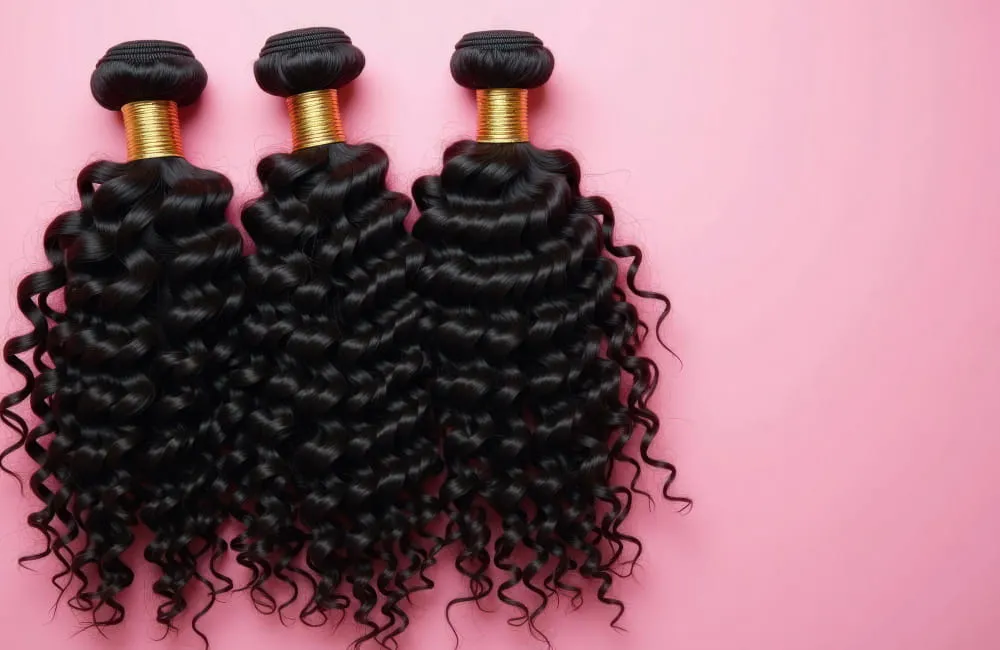
Curly and kinky-curly textures are not necessarily lower quality, but they require more moisture and careful detangling. Straight hair may seem easier to maintain, while long wavy hair can tangle at the nape if it is not secured at night.
6. Installation and removal
Excessive tension, adhesive contact, careless cutting, and rushed removal can damage reusable hair. A skilled stylist protects the wefts and plans track placement with future use in mind.
7. Daily care
Sleeping with wet extensions, applying heavy products at the roots, skipping detangling, and using high heat without protection can reduce longevity even when the starting hair is excellent.
How to make hair bundles last longer
Detangle from the ends upward
Support the hair near the weft and work through small sections. Pulling a brush from the top through a knot places unnecessary force on the track and can increase shedding.
Wash the scalp and hair without piling it up
Let water travel downward and cleanse gently. Scrubbing the lengths together creates friction. Rinse thoroughly because conditioner and styling-product buildup can make hair feel heavy, dull, or tangled.
Condition the lengths, not the attachment points
Focus conditioner on the mid-lengths and ends. Heavy product at sewn tracks, bonds, tape, or lace can contribute to buildup and installation problems.
Dry completely before sleeping
Wet hair is more vulnerable to stretching, friction, and tangling. Make sure the scalp, tracks, and lengths are fully dry before bedtime.
Use heat strategically
Apply heat protectant and use the lowest effective temperature. Repeated daily passes at maximum heat can gradually damage even premium raw hair.
Protect the hair at night
Gently braid or wrap longer hair and use a satin bonnet, scarf, or pillowcase. The goal is to reduce friction and prevent the lengths from moving freely while you sleep.
Clean and store removed bundles correctly
Detangle, wash, condition, and dry the bundles completely. Store them in a clean, breathable place with the wefts organized. Do not seal damp hair in a plastic bag.
Does coloring reduce the lifespan of raw bundles?
Usually, yes. Raw human hair can often be professionally colored, but the ability to lift does not mean the process is harmless. Moving from natural black or brown to a light blonde requires more chemical action than depositing a darker tone. Each major chemical service can reduce moisture retention, elasticity, and long-term strength.
For the best chance of preserving the bundles:
- have an experienced professional perform the color service;
- test a small section first;
- avoid repeated bleach sessions when possible;
- use bond-supporting and conditioning treatments recommended by the colorist;
- accept that very light color may shorten the hair's lifespan.
Be cautious of any seller who promises that raw hair can be bleached repeatedly with no effect on longevity.
When should you replace your bundles?
Replace the hair when its condition prevents a safe, polished installation. Clear signs include extensive thinning, a separating weft, persistent matting after proper cleansing, severe chemical breakage, or ends that remain visibly sparse after trimming.
Sometimes only one bundle needs replacement. For example, the lowest tracks may experience the most friction and wear. A stylist may be able to combine two preserved bundles with one new matching bundle, provided the color and natural texture blend well.
What to ask before buying long-lasting hair bundles
A useful product page or seller should help you answer these questions:
- Is the hair raw, virgin, or processed human hair?
- Is the texture natural or steam processed?
- What is the approximate weight of each bundle?
- Are natural color and texture variations expected?
- Can the hair be professionally colored?
- Where is the available inventory located?
- What delivery timeline applies to this specific item?
- How many bundles will the planned length and style require?
For quantity planning, use Tressiri's detailed guide, How Many Bundles Do I Need for a Sew In?. Longer lengths generally need more bundles because the same bundle weight is distributed across longer strands.
Choosing between immediate delivery and the widest selection
Your deadline should influence the product you buy. Hair already stocked in the United States is the safer option when an appointment is approaching. A made-to-order or India-stock item can offer a broader selection, but it should not be purchased on the assumption that international delivery behaves like domestic shipping.
Tressiri clearly identifies its USA-stock South Indian raw wavy bundles as physically stocked in Texas. For shoppers comparing more textures, lengths, closures, frontals, and hair types, the full Tressiri hair extension collection provides the broader selection.
Final answer: are long-lasting bundles worth paying more for?
The answer depends on performance, not marketing language. Long-lasting bundles are worth the higher initial cost when the hair arrives in strong condition, matches the installation you want, can be maintained without constant tangling, and remains suitable for genuine reuse.
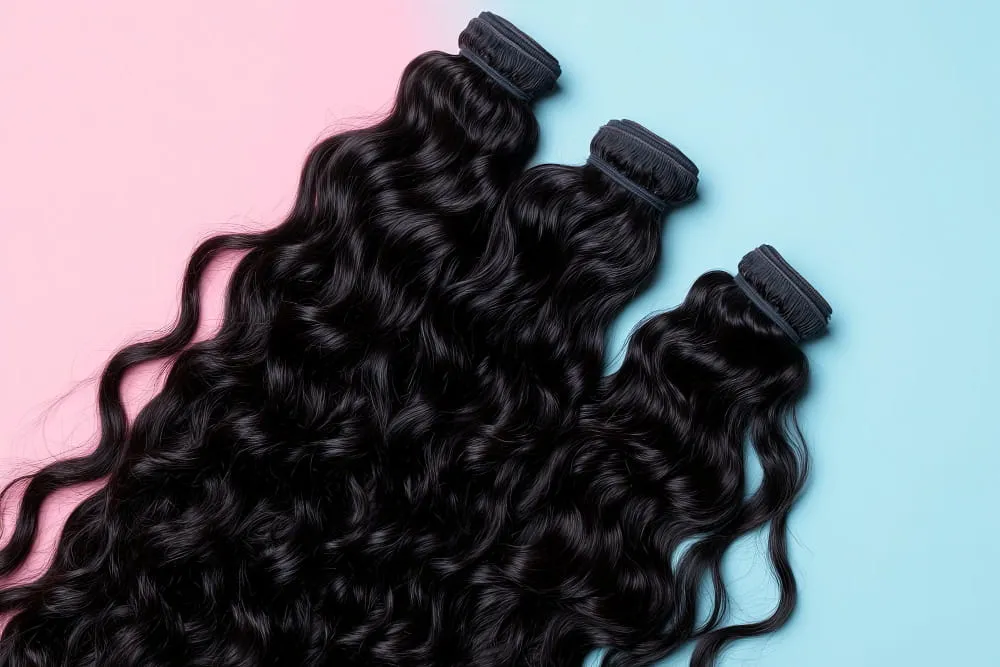
When asking how long do hair bundles last, think in terms of condition, installations, and cost per wear. High-quality raw Indian hair may last well beyond a year and through multiple installs, but proper care and professional chemical services are essential. Buy based on transparent product details, protect the wefts during installation and removal, and replace damaged hair when it can no longer produce a safe, polished result.
Frequently asked questions
How long do human hair bundles last?
Heavily processed human hair may last only a few months. Good virgin hair often lasts around six months to more than a year, while premium raw human hair may remain usable well beyond a year with proper maintenance. Actual lifespan varies with wear, heat, color, installation, removal, and storage.
How long do raw Indian hair bundles last?
High-quality raw Indian hair can often be reused through multiple installations and may last one year or longer. Some owners keep well-maintained bundles for several years, but no lifespan is guaranteed.
Can you reuse bundles after a sew-in?
Yes, if the wefts remain secure and the hair is not severely tangled, thinned, or chemically damaged. Careful removal, cleansing, complete drying, and organized storage improve the chance of a successful reinstall.
How many times can hair bundles be reinstalled?
Quality bundles may be reinstalled two, three, or more times. Evaluate the hair's condition rather than relying on a fixed number because installation length, daily care, heat, and coloring create different levels of wear.
Does bleaching shorten the life of hair bundles?
Yes. Bleaching changes the hair's structure and can increase dryness and breakage. Professional coloring, strand testing, controlled lifting, and careful aftercare can reduce damage, but they cannot make bleaching risk-free.
Are expensive hair bundles always better?
No. Price alone does not prove sourcing, cuticle alignment, limited processing, or strong weft construction. Compare product details, realistic care guidance, inventory location, and seller policies before purchasing.