Why One Hair Stylist Paid Twice for Raw Indian Bulk Hair, and Still Switched Suppliers
The Expensive Lesson That Changed Everything
When Atlanta hairstylist Melissa accepted a new client requesting custom microlink extensions, she wanted the best possible hair.
Her supplier promised 100% raw Indian bulk hair, showed beautiful photos, and even claimed every bundle came from single donors.
The shipment looked perfect.
Soft.
Natural.
Healthy.
Everything seemed right until installation day.
After washing the hair, Melissa noticed something strange.
Some strands became rough.
A few shorter hairs appeared throughout the bundle.
Within three weeks, the client complained that the extensions no longer blended naturally.
Melissa eventually realized she hadn't purchased poor quality hair.
She had purchased the wrong type of raw Indian bulk hair for the service she was offering.
That experience completely changed how she evaluated suppliers.
It also highlights one of the biggest misunderstandings in today's hair extension industry.
Raw Indian bulk hair isn't simply about being "raw."
It's about selecting hair that matches the purpose of the installation.
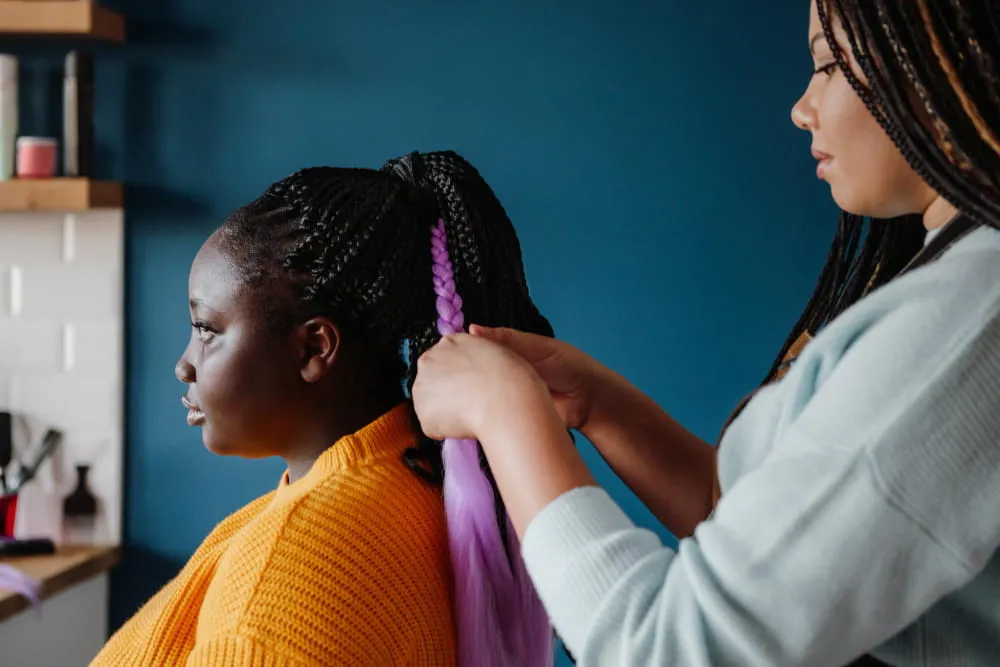
Raw Indian Bulk Hair Is Not Just Hair Without a Weft
Many buyers assume bulk hair simply means bundles without stitching.
Technically that's true.
Practically, there's much more involved.
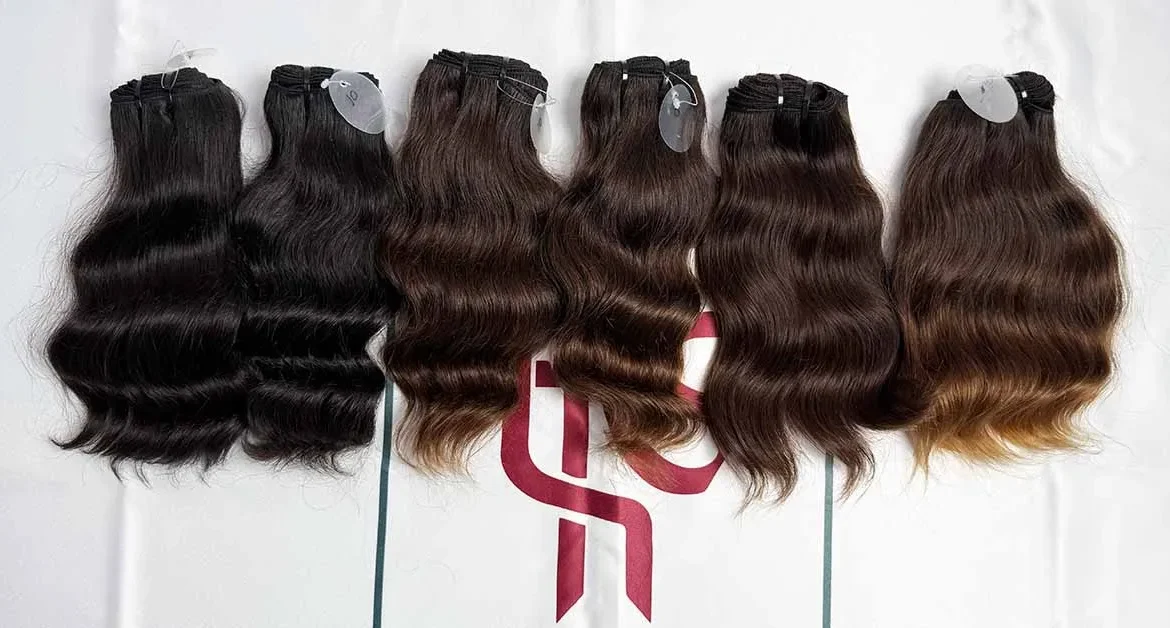
Raw Indian bulk hair keeps the cuticle aligned while leaving the hair loose rather than sewn into wefts.
That flexibility allows stylists to create completely customized installations including:
- Microlinks
- Keratin fusion
- Hand tied extensions
- Ventilated wigs
- Lace closures
- Lace frontals
- Custom hair systems
Unlike traditional bundles, stylists can control every section of placement.
That's one reason experienced extension specialists often prefer bulk hair for premium services.
The Real Difference Is Hidden Inside the Bundle
Two bundles can appear nearly identical.
One performs beautifully for more than a year.
The other loses softness after several washes.
The difference usually isn't visible in product photos.
Instead, professionals inspect details such as:
- Cuticle alignment
- Natural taper
- Strand consistency
- Texture throughout the bundle
- Amount of short return hairs
- Hair elasticity
- Natural movement after washing
These characteristics determine how well bulk hair behaves once installed.
A bundle that looks silky on arrival may not remain silky after repeated washing if the hair has undergone heavy processing.
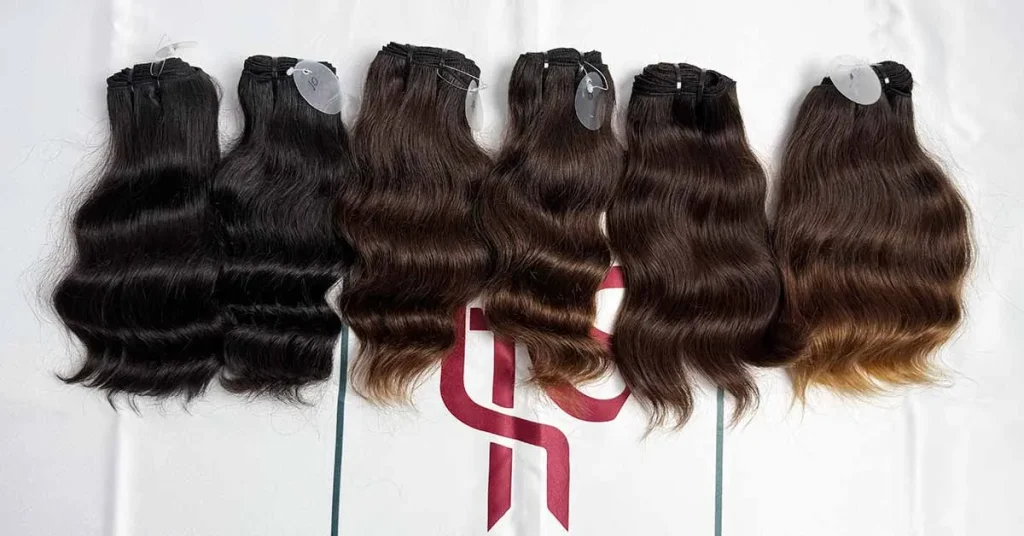
Why Experienced Stylists Prefer Raw Indian Bulk Hair
Many professional salons choose raw Indian bulk hair because every installation is different. One reason premium raw Indian bulk hair lasts longer is because healthy, aligned cuticles reduce friction and tangling. Understanding the human hair cuticle structure helps explain why cuticle alignment matters when choosing bulk hair.
Instead of being limited by a factory-made weft, stylists can customize density, placement, and direction.
That flexibility is especially valuable for clients with:
- Fine hair
- Thinning edges
- Uneven density
- Hair loss
- Natural textured hair
- Custom color services
Bulk hair gives the stylist complete creative control.
Not Every Client Actually Needs Bulk Hair
One common mistake is assuming bulk hair is automatically better than sewn bundles.
It depends entirely on the installation.
If you're getting a traditional sew-in, wefted bundles usually make more sense.
Bulk hair becomes the better option when the stylist needs individual strands rather than pre-sewn tracks.
Choosing the right product isn't about buying the most expensive option.
It's about buying the correct one.
Five Questions Professionals Ask Before Buying Raw Indian Bulk Hair
Instead of asking whether the hair is "raw," experienced buyers ask much deeper questions.
Where was the hair collected?
Different regions naturally produce different textures.
Knowing the source helps create more consistent installations.
Does the texture remain after washing?
Raw hair should reveal its natural pattern after every wash without depending on heavy silicone coatings.
Are the cuticles aligned?
Misaligned cuticles increase tangling and friction.
Healthy alignment helps maintain smoother movement.
Does the bundle contain excessive short hairs?
Too many return hairs often reduce fullness and make extensions appear uneven.
Can the supplier consistently match future orders?
Consistency matters far more than a single beautiful bundle.
Clients returning months later should receive similar texture and quality.
What Happens After Installation Matters More Than the First Impression
Almost every bundle looks beautiful immediately after opening the package.
The real test begins after:
- Shampooing
- Blow drying
- Heat styling
- Daily brushing
- Sleeping
- Several weeks of wear
Premium raw Indian bulk hair continues behaving naturally because its structure hasn't been heavily altered.
That's why professionals judge hair after multiple washes rather than the day it arrives.
Choosing the Right Length Matters More Than Most Buyers Realize
Longer isn't always better.
Bulk hair should complement both the installation method and the client's natural density.
For example:
- 14 to 18 inches often creates fuller everyday styles.
- 20 to 24 inches balances length with natural movement.
- 26 inches and above usually requires additional hair for consistent fullness.
Planning the installation before purchasing prevents unnecessary costs later.
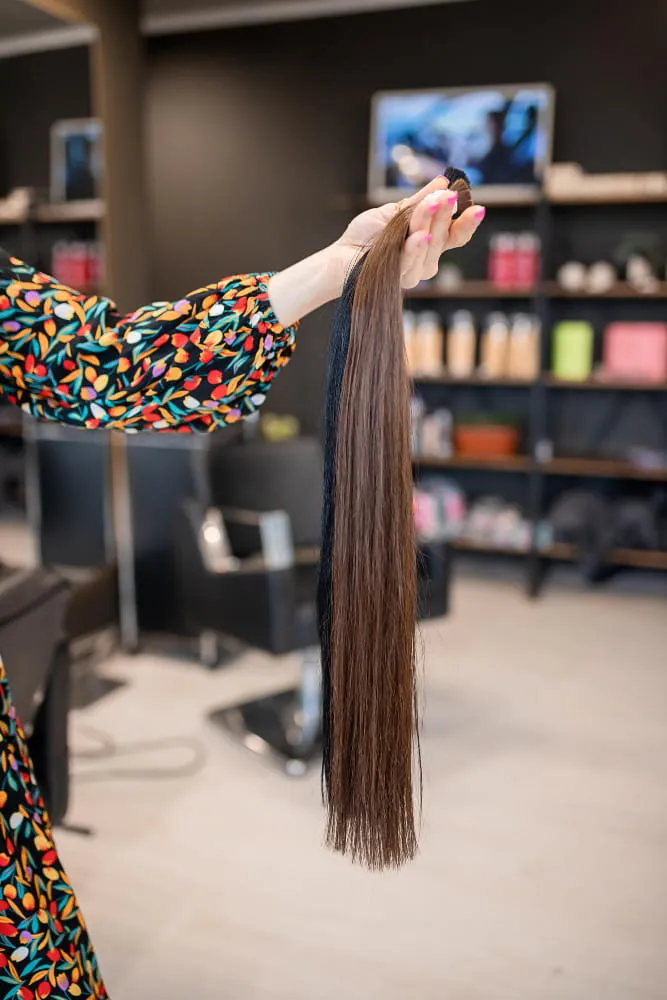
How Tressiri Sources Raw Indian Bulk Hair
Rather than selecting hair based only on appearance, Tressiri focuses on consistency.
Every bundle is chosen to preserve natural texture, aligned cuticles, and long-term performance, allowing stylists and experienced buyers to create customized installations with confidence.
Whether you're purchasing for microlinks, fusion extensions, custom wigs, or professional salon services, selecting the right raw Indian bulk hair from the beginning saves time, improves results, and reduces expensive replacements.
Frequently Asked Questions
Can raw Indian bulk hair be colored?
Yes. Since the hair is minimally processed, many stylists lighten or tone it. Results always depend on the original hair condition and the level of color change.
Is bulk hair better than weft hair?
Neither is universally better. Bulk hair offers greater flexibility for individual strand techniques, while weft hair is generally preferred for sew-in installations.
How long does raw Indian bulk hair last?
With proper maintenance and professional installation, high quality raw Indian bulk hair can last significantly longer than heavily processed alternatives.
Can bulk hair be reused?
Yes. Many installation methods allow the hair to be removed, maintained, and reinstalled, depending on the condition of the hair and the installation technique.
Conclusion
Melissa's story reflects a lesson many professionals eventually learn: the most expensive bundle is not always the right one. Choosing raw Indian bulk hair requires looking beyond marketing claims and understanding how the hair will perform after installation, washing, and daily wear.
Whether you're a stylist creating custom extensions or a buyer searching for premium quality, selecting bulk hair based on structure, consistency, and long-term performance leads to better results than simply choosing the bundle with the smoothest appearance.
If you're investing in raw Indian bulk hair, invest in knowledge first. The right choice starts long before the installation begins.