
Safest Hair Extensions for Thin or Damaged Hair: 9 Expert Options That Protect Your Natural Hair
Safest Hair Extensions for Hair
Finding the safest hair extensions can feel overwhelming because every brand claims its products are gentle and damage free. Understanding which methods actually protect your natural hair is the first step toward making a confident purchase.
Hair extensions can completely transform your look, adding length, volume, and confidence in just a few hours. However, many people worry that wearing extensions will damage their natural hair. While extensions themselves don't automatically cause damage, choosing the wrong installation method, poor-quality hair, or improper maintenance certainly can.
If you're searching for the safest hair extensions, the good news is that several options allow you to enjoy beautiful, fuller hair while protecting your natural strands. The key is understanding which extension methods suit your hair type and lifestyle, rather than simply choosing what's popular or inexpensive.
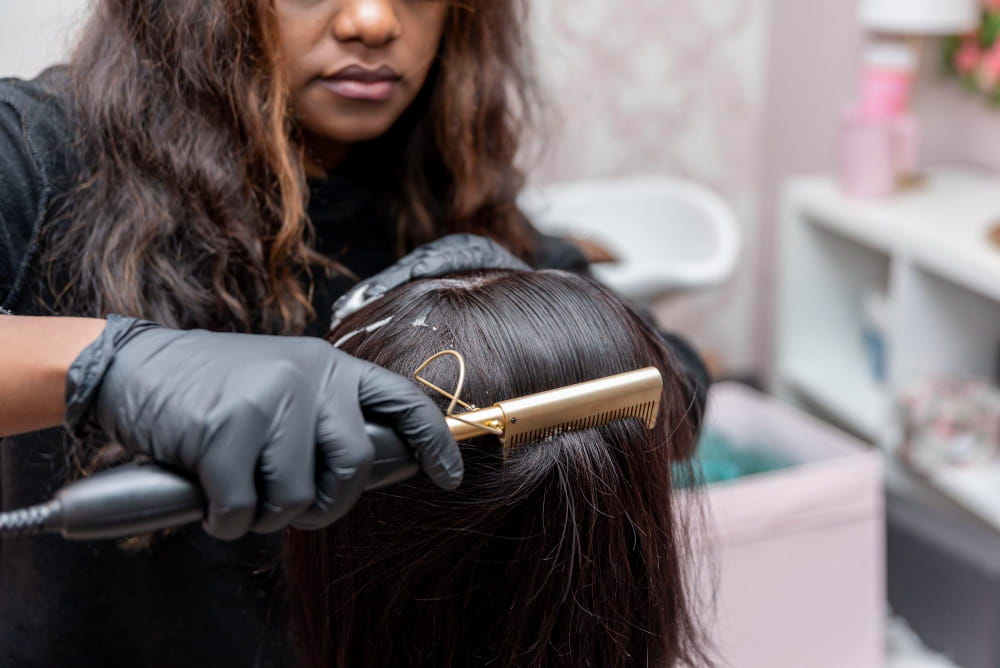
This guide explains which hair extensions are considered the safest, what causes extension-related damage, and how to make a smart investment that keeps both your natural hair and extensions looking their best.
Do Hair Extensions Damage Your Hair?
One of the biggest myths in the beauty industry is that all hair extensions damage natural hair. In reality, healthy hair can safely support extensions when they are installed correctly and maintained properly.
Most extension-related damage comes from avoidable mistakes rather than the extensions themselves. Excessive tension, poor installation, neglecting regular maintenance, or using low-quality products can place unnecessary stress on your hair and scalp.
Choosing a safe installation method and high-quality human hair significantly reduces these risks while providing a more comfortable and natural-looking result.
What Actually Causes Hair Damage?
Many people blame their extensions when the real issue is improper application or care. Tight braids, heavy bundles on fine hair, sleeping with wet extensions, or skipping regular maintenance appointments can all contribute to unnecessary breakage.
Heat damage is another common problem. Frequent flat ironing without heat protection weakens both your natural hair and the extensions over time. Similarly, harsh shampoos containing sulfates may dry out human hair extensions, making them more difficult to manage.
Understanding these causes allows you to prevent problems before they begin rather than trying to repair damaged hair later.
The Safest Hair Extension Methods
Not every extension method places the same amount of stress on your natural hair. Some options distribute weight more evenly, while others are designed for temporary wear and can be removed whenever needed.
Generally, these methods are considered among the safest when installed professionally and maintained correctly.
- Clip-in human hair extensions for occasional wear.
- Properly installed sew-in extensions with balanced braid tension.
- High-quality wigs worn over protected natural hair.
The safest choice ultimately depends on your hair's condition, thickness, and styling goals.
Why Hair Quality Matters Just as Much as the Installation Method
Many buyers focus only on the installation technique while overlooking the quality of the hair itself. This can lead to disappointment even when the extensions are installed perfectly.
Low-quality hair often becomes dry, tangles easily, and requires more aggressive brushing, which increases stress on both the extensions and your natural hair. In contrast, premium human hair generally remains smoother, responds better to conditioning, and requires less force during daily maintenance.
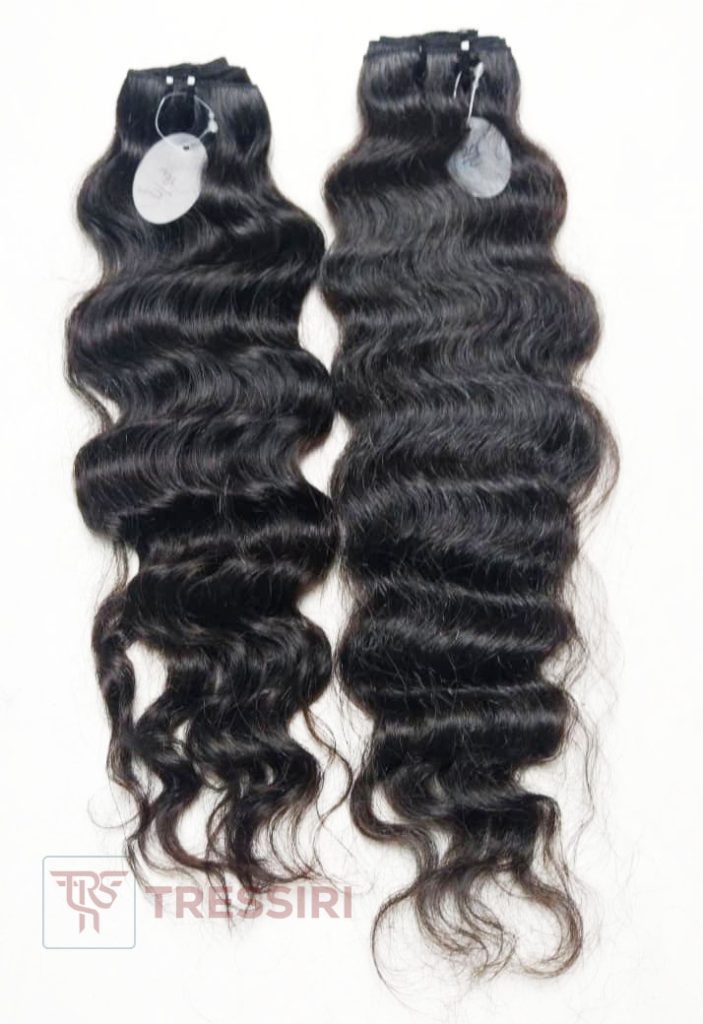
Raw Indian Hair is widely appreciated for its durability and natural cuticle alignment, making it a popular choice for customers who want extensions that continue looking beautiful through multiple installs with proper care.
Are Sew-In Extensions Safe?
Sew-in extensions often receive mixed opinions, but they can be one of the safest long-term options when installed correctly.
The foundation begins with healthy braids that are secure without being excessively tight. Overly tight braids place unnecessary tension on the scalp and may lead to discomfort or breakage. An experienced stylist understands how to balance security with comfort, allowing your natural hair to remain protected underneath.
Equally important is scheduling maintenance. Leaving a sew-in installed for too long can lead to matting, product buildup, and unnecessary stress on your hair. Following your stylist's recommended maintenance schedule helps keep both your natural hair and extensions in excellent condition.
Many stylists consider sew-ins one of the safest hair extensions when the braids are installed correctly and regular maintenance appointments are scheduled. Tight braids, however, can create unnecessary tension and should always be avoided.
Are Clip-In Extensions Better for Thin Hair?
Clip-in extensions are often recommended for people with fine or thinning hair because they are not worn continuously. They can be applied for special occasions and removed before sleeping, exercising, or washing your hair.
However, clip-ins should also be used carefully. Attaching multiple heavy wefts to the same small section of hair repeatedly may create unnecessary tension. Choosing lightweight human hair clip-ins and rotating their placement helps reduce stress on your natural hair.
For occasional styling, clip-ins remain one of the most flexible and beginner-friendly extension options available.
Wigs and Protective Styling
Many people experiencing hair thinning or recovering from damaged hair choose wigs because they allow the natural hair to rest underneath.
Modern human hair wigs provide exceptional realism while reducing daily manipulation of your own hair. When paired with proper scalp care and regular cleansing, wigs can be an excellent protective styling option for many individuals.
Using breathable wig caps and maintaining a clean scalp are equally important to ensure long-term hair health.
Healthy Hair Starts With Healthy Habits
No extension method can compensate for poor hair care habits. Protecting your natural hair requires consistent maintenance throughout the life of your extensions.
Simple habits make a significant difference.
- Wash your scalp regularly using gentle products.
- Sleep on a satin or silk pillowcase to reduce friction.
- Schedule maintenance before problems develop.
Small daily routines often determine whether your hair becomes healthier while wearing extensions or experiences unnecessary stress.
Choosing the Right Extensions for Your Hair Type
Every person's hair is different, so there is no universal solution that works for everyone.
Someone with thick, healthy hair may comfortably wear fuller sew-in installations, while another person with fine hair may achieve better results using lightweight clip-ins or a protective wig. The condition of your scalp, your daily styling habits, and how often you wear extensions should all influence your decision.
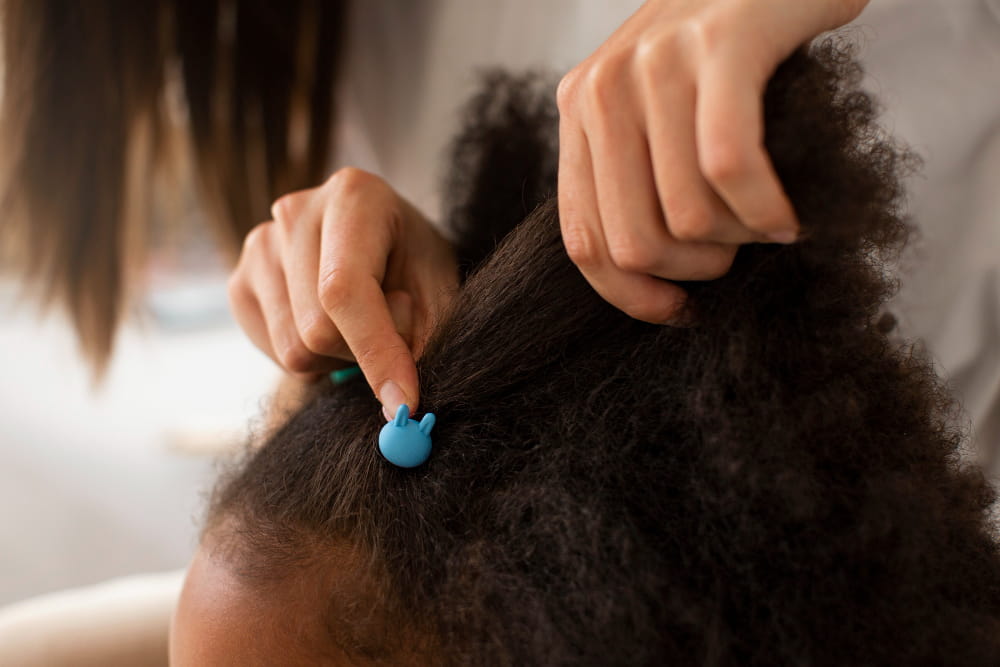
If you're uncertain, consulting a professional stylist before purchasing extensions can help you choose products that match both your hair type and your long-term goals. The safest hair extensions depend on several factors, including your hair type, scalp health, and preferred installation method. Rather than choosing the most popular option, focus on extensions that distribute weight evenly and place minimal tension on your natural strands.
Why Premium Human Hair Is Worth the Investment
High-quality human hair doesn't just improve appearance. It also makes everyday maintenance easier.
Premium hair generally requires less aggressive brushing, responds better to conditioning treatments, and maintains its softness longer than heavily processed alternatives. Because it behaves more like natural hair, it often places less stress on both the extensions and your own hair during styling.
Rather than replacing lower-quality extensions every few months, investing in premium human hair often provides better long-term value while supporting healthier styling practices.
Frequently Asked Questions
What are the safest hair extensions for hair?
Clip-in human hair extensions, professionally installed sew-ins, and quality human hair wigs are among the safest options when matched to your hair type and maintained properly.
Can hair extensions cause permanent hair loss?
Improper installation, excessive tension, or neglecting maintenance over long periods may contribute to hair damage. Professionally installed extensions with regular care are much less likely to cause problems.
Are sew-in extensions safer than glue-in extensions?
Many stylists consider professionally installed sew-ins to be a safer long-term option because they avoid direct adhesive contact with the hair shaft. The best method depends on your hair type and individual needs.
Is human hair better than synthetic hair?
Premium human hair generally offers greater durability, a more natural appearance, and easier maintenance compared to synthetic alternatives.
How often should extensions be maintained?
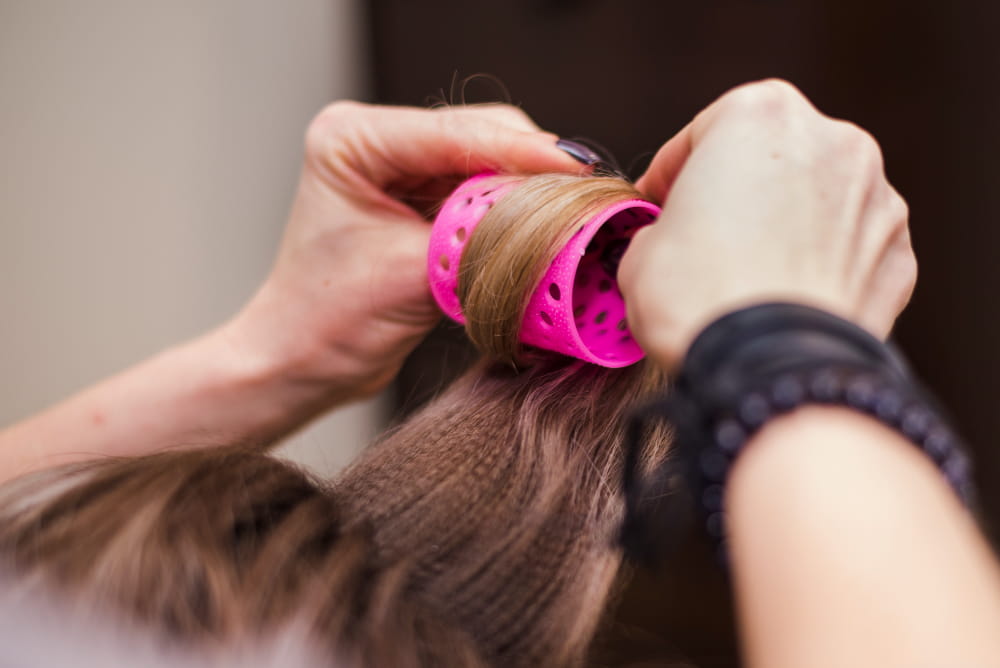
Maintenance schedules vary depending on the installation method, but regular professional checkups help prevent tangling, product buildup, and unnecessary stress on your natural hair.
Final Thoughts
Finding the safest hair extensions isn't about following trends. It's about choosing an installation method that suits your natural hair, investing in high-quality human hair, and maintaining both your extensions and scalp consistently.
Maintaining a healthy scalp is just as important as choosing quality extensions. The American Academy of Dermatology offers practical tips for keeping your hair and scalp healthy before and after wearing extensions.
Whether you prefer clip-ins for occasional styling, sew-in bundles for long-lasting wear, or a protective human hair wig, selecting premium products and following healthy hair care practices will help you enjoy beautiful results while protecting your natural hair.
At Tressiri, we offer premium human hair extensions, Raw Indian Hair bundles, HD lace closures, lace frontals, clip-in extensions, and wigs designed for natural-looking styles and long-lasting performance. Choosing quality from the start allows you to enjoy greater confidence while keeping your natural hair healthy.